Corpus Cannabis

About this site

Why I built Corpus Cannabis

A work in progress, the way science always is.

Corpus Cannabis is my attempt to build careful, evidence-based models of the whole cannabis world: how the plant grows, what it’s made of, how it acts on the body, where it came from and what it has meant to people. Every lab, timeline and article here is a model, and like any good model it’s built to be tested and corrected.

Cannabis has never been short on opinions. Decades of prohibition, marketing claims and confident advice handed down from one grow room to the next have left a lot of what people “know” about this plant resting on hearsay. I wanted something different: a place where claims start from the evidence, and where you can see how strong that evidence actually is.

So the approach is as empirical as I can make it. Claims are checked against published research, sources are cited, and confidence is labelled. When the evidence is strong, the site says so. When it’s thin, mixed or missing, it says that too, rather than filling the gap with what the industry likes to repeat.

It’s also unfinished on purpose. Research keeps moving, and so will this. New studies will change some of what’s here, and I’d rather update a page than defend it. If you find something that doesn’t hold up, that’s the process working.

Most of all, this is a passion project. Cannabis has been a lifelong passion of mine, and I built this to share it with anyone who’s curious: industry professionals, fellow growers, researchers and scientists, and anyone else who finds joy in the plant. Wander through it like a museum. Start anywhere, follow what catches your eye, and go as deep as you like.
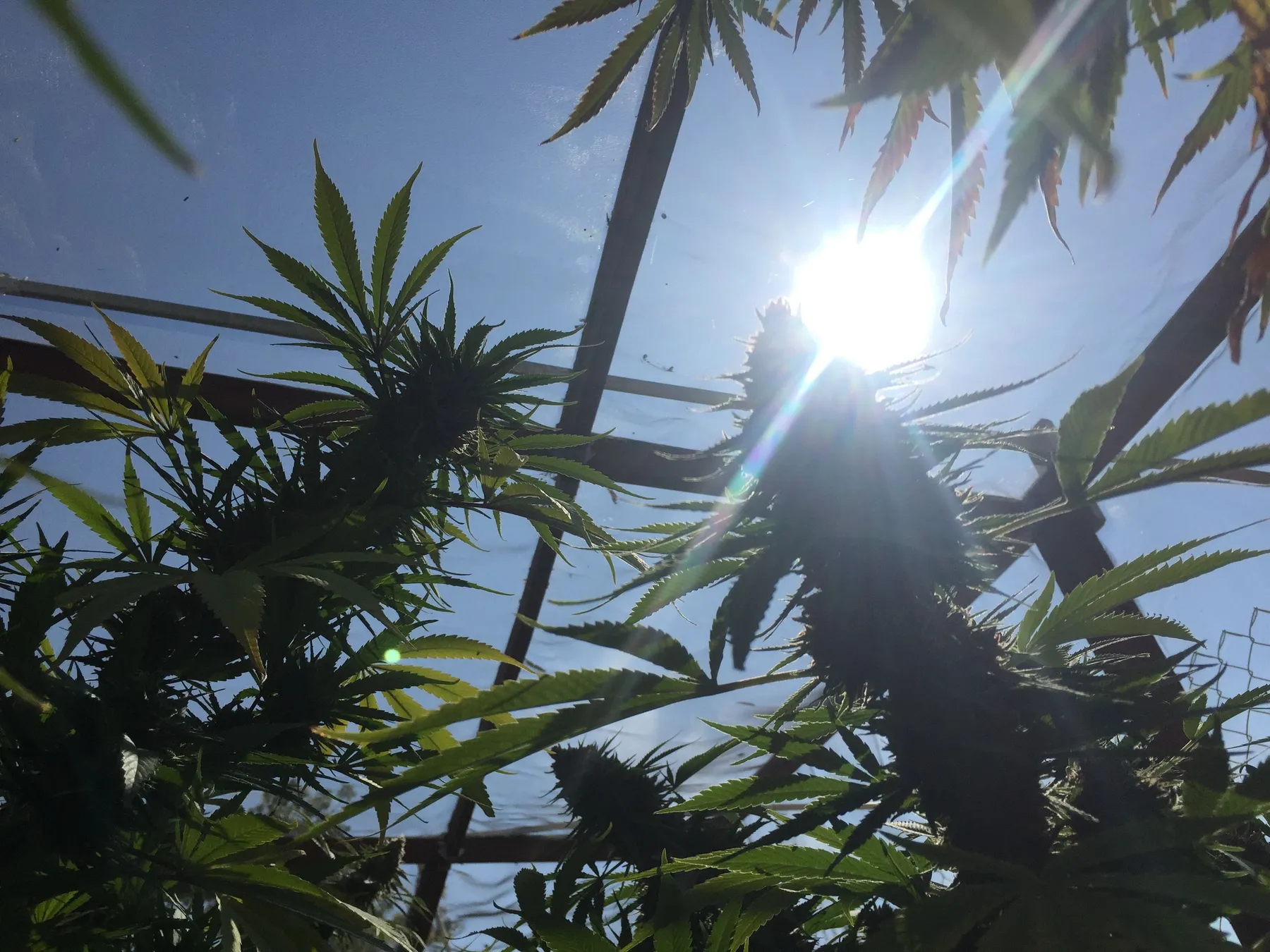
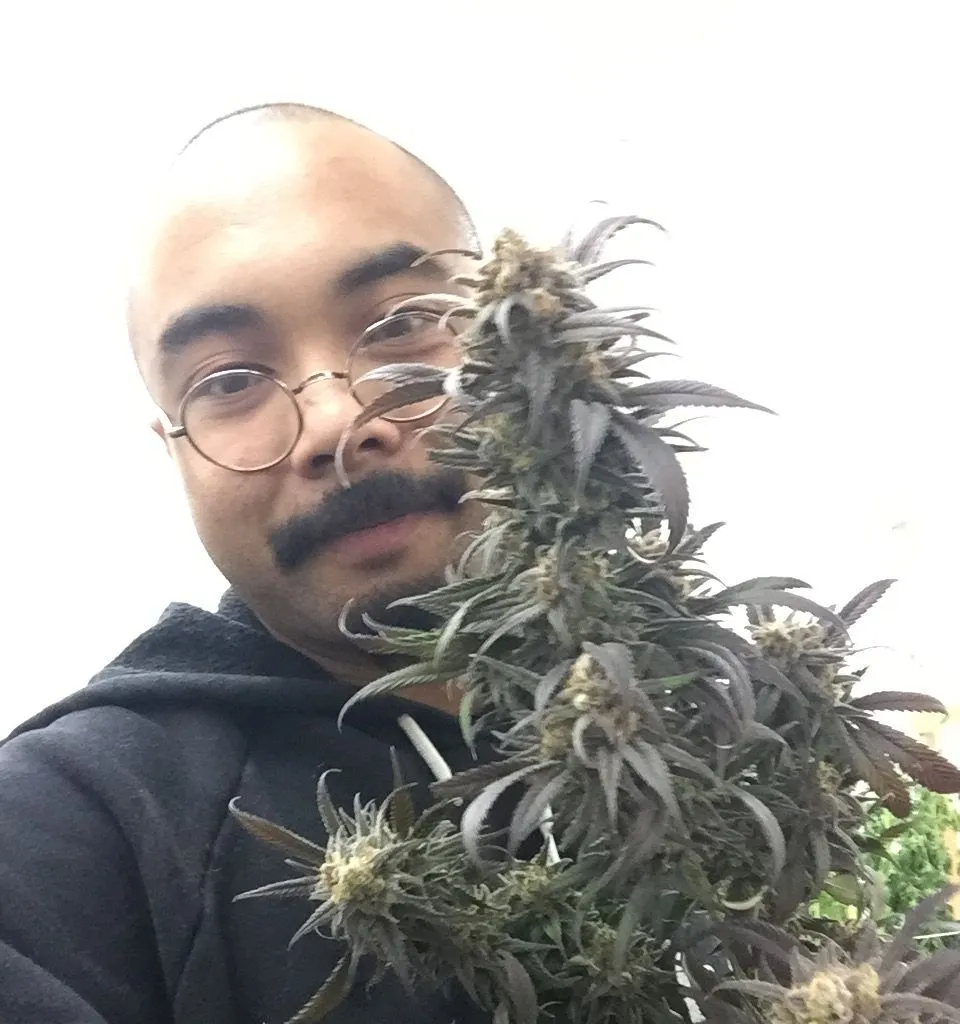
Looking up through a screenhouse roof at flowering cannabis tops and fan leaves, backlit by the sun against a blue sky
Grown and picture taken by Danny Gagaoin
  • Evidence firstClaims start from published research, with sources and confidence shown.
  • Always in progressPages change when the evidence does. Corrections are part of the design.
  • Open to everyoneGrowers, patients, professionals, scientists and the simply curious.
About me

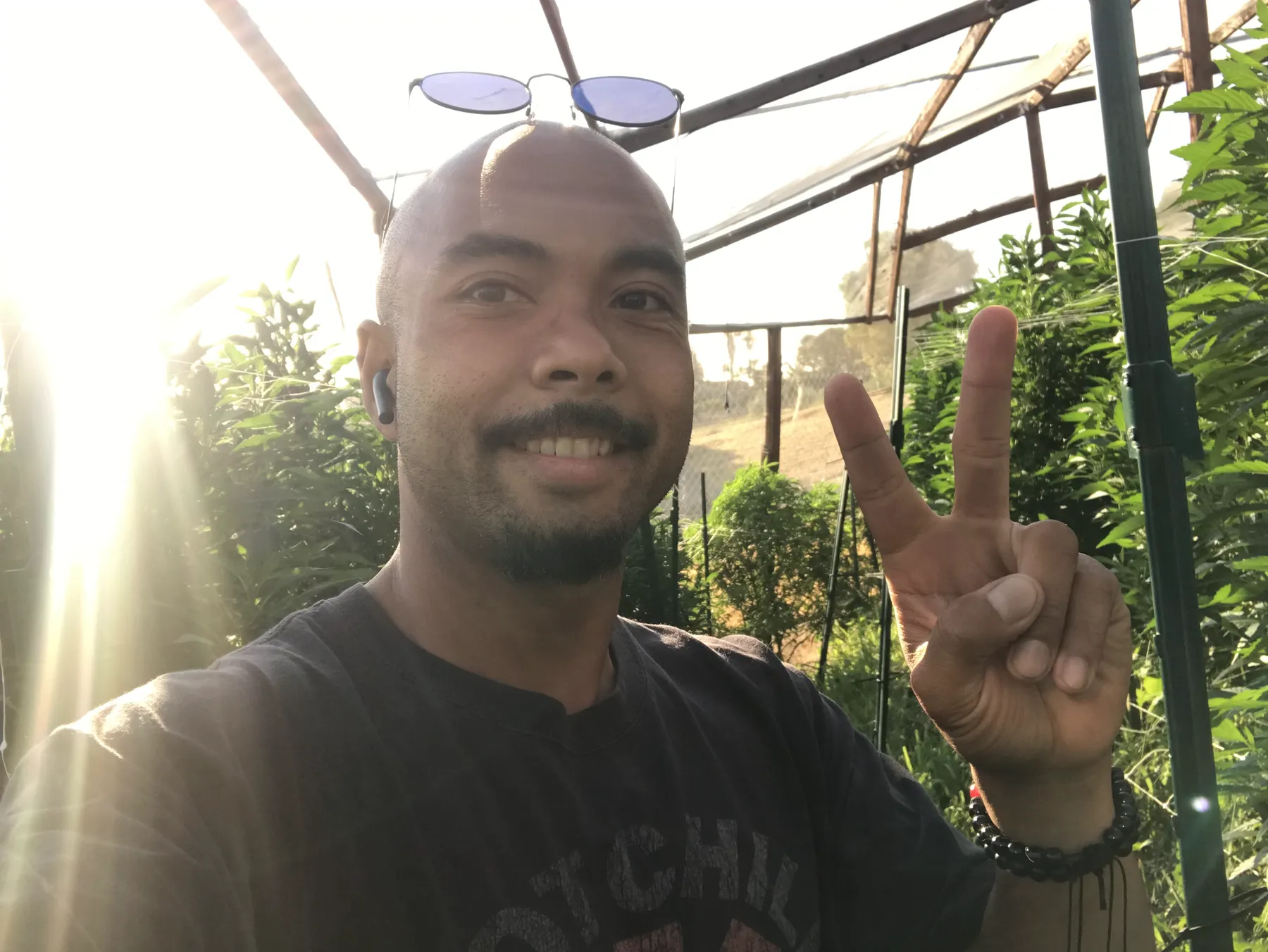
Danny Gagaoin

Author · Independent Researcher · Builder · Founder · Entrepreneur

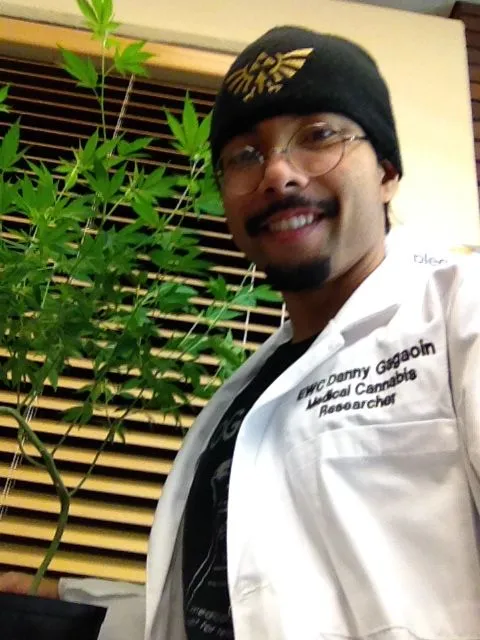
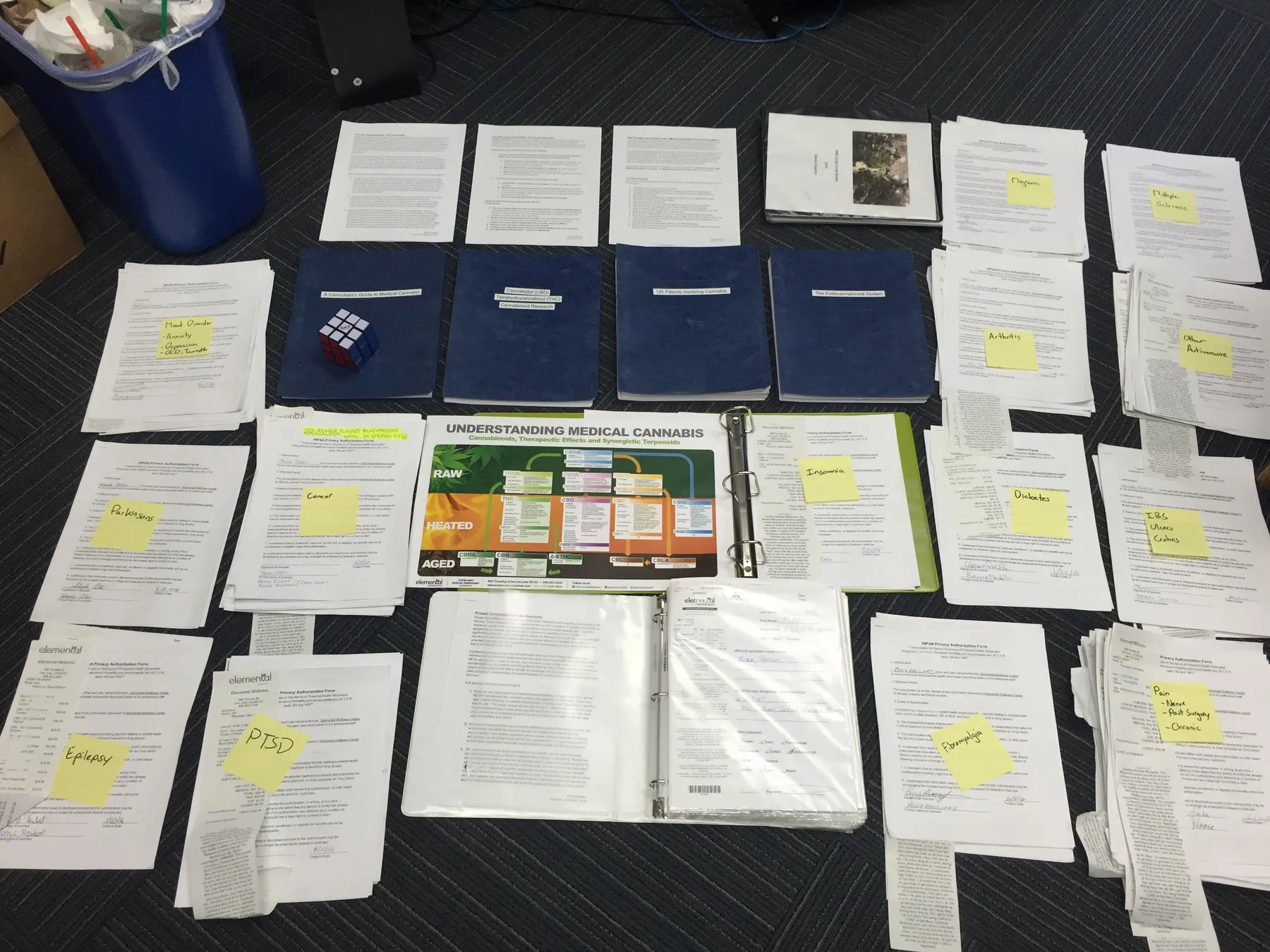
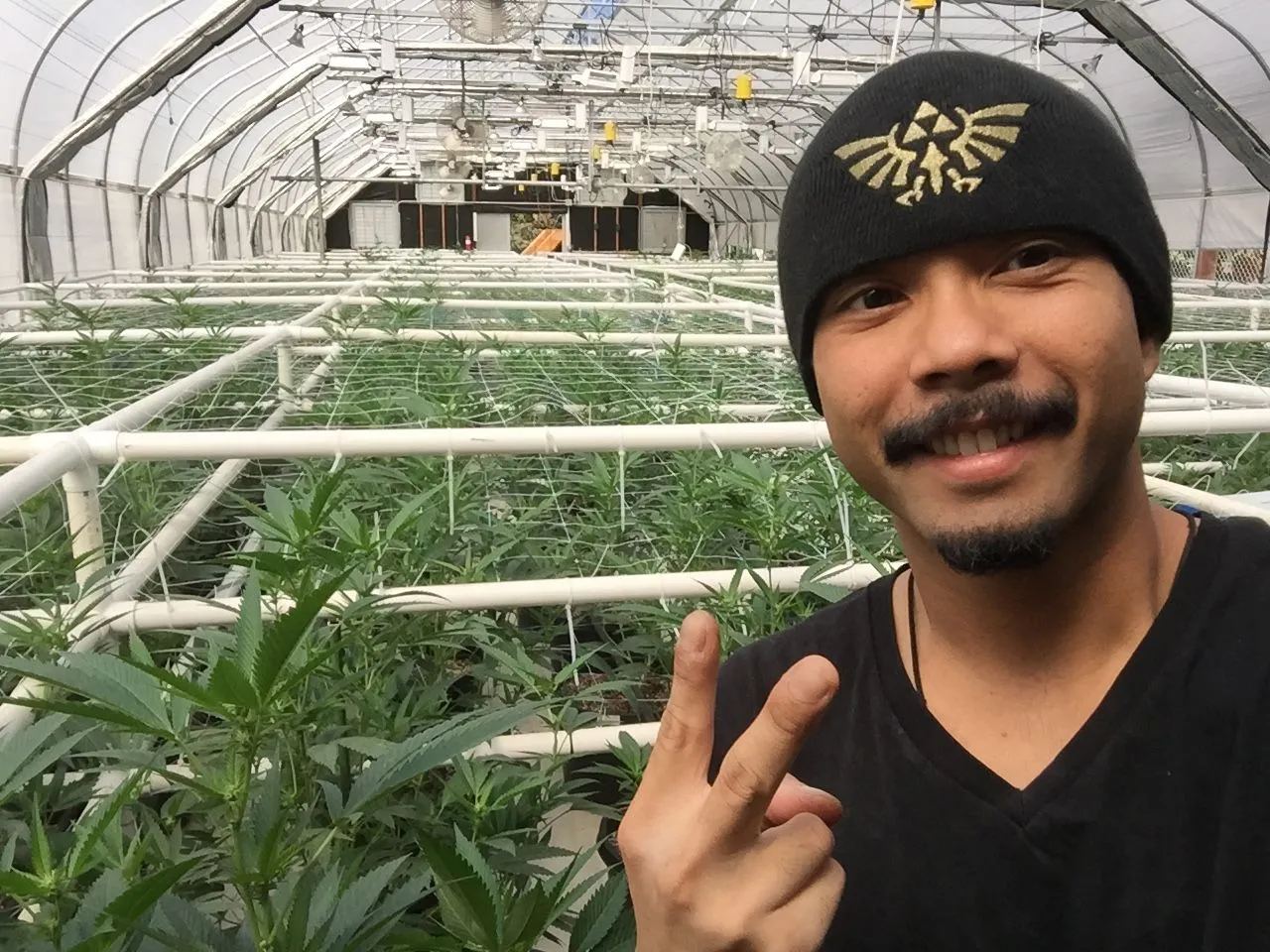
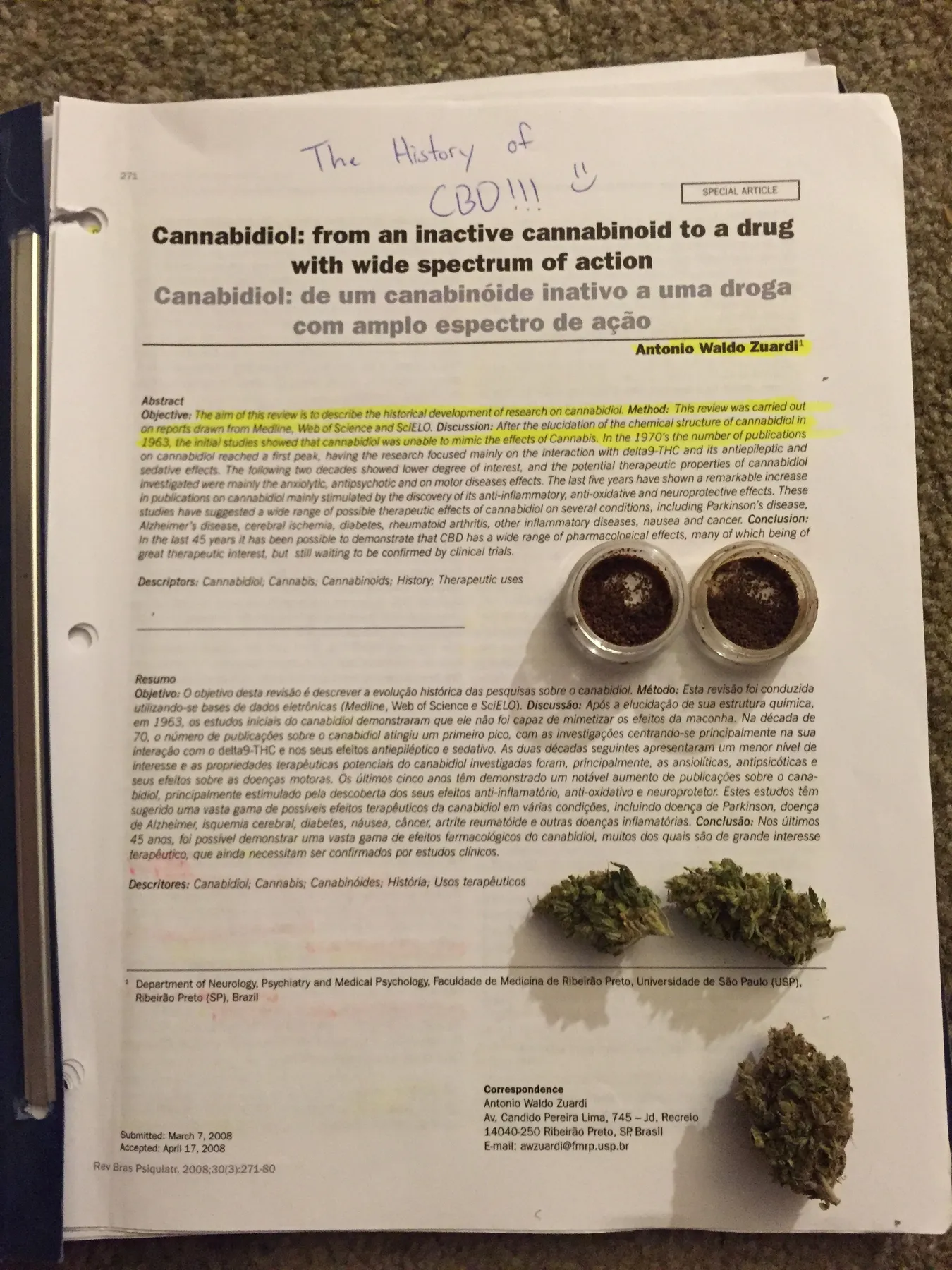
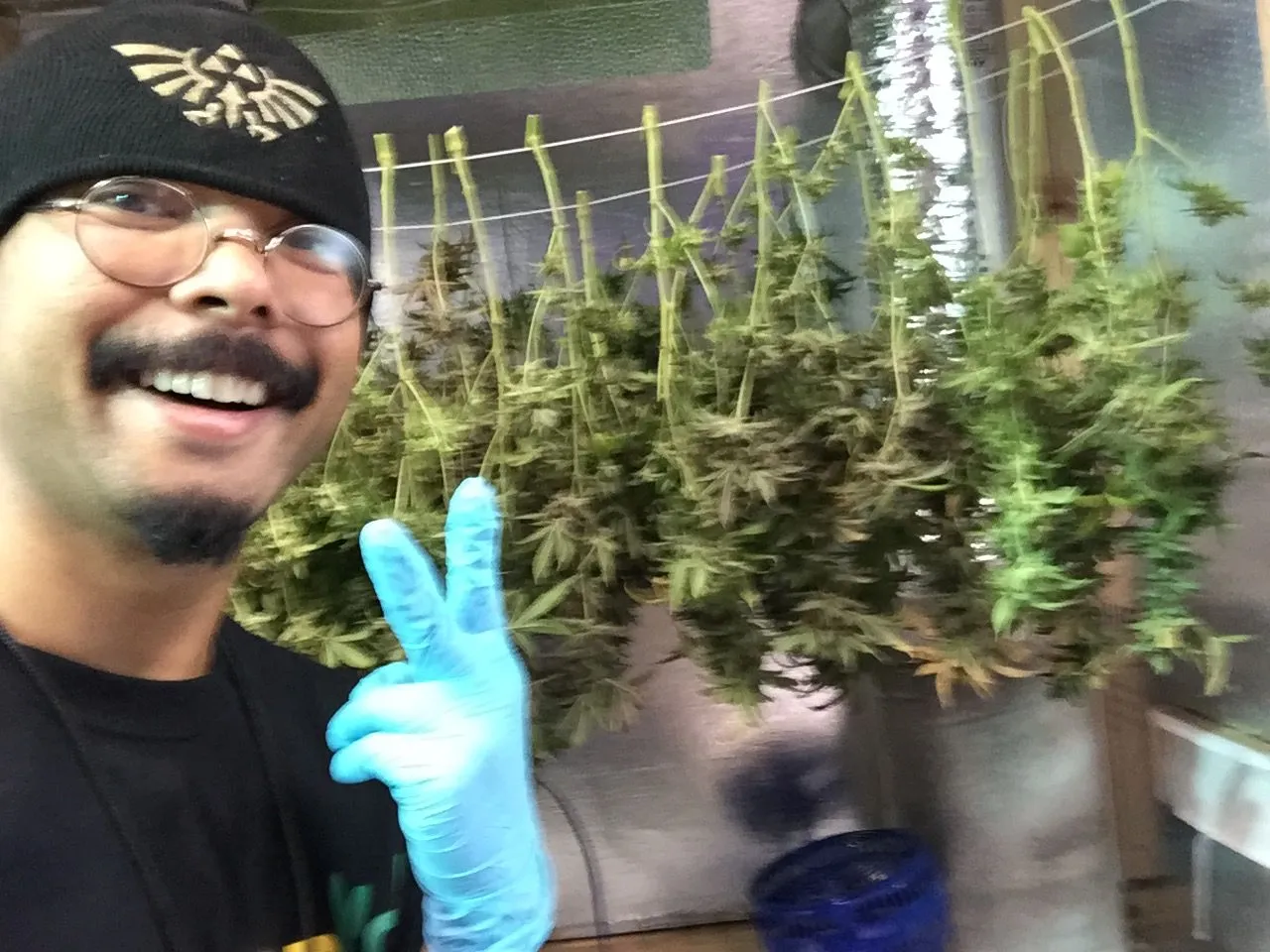
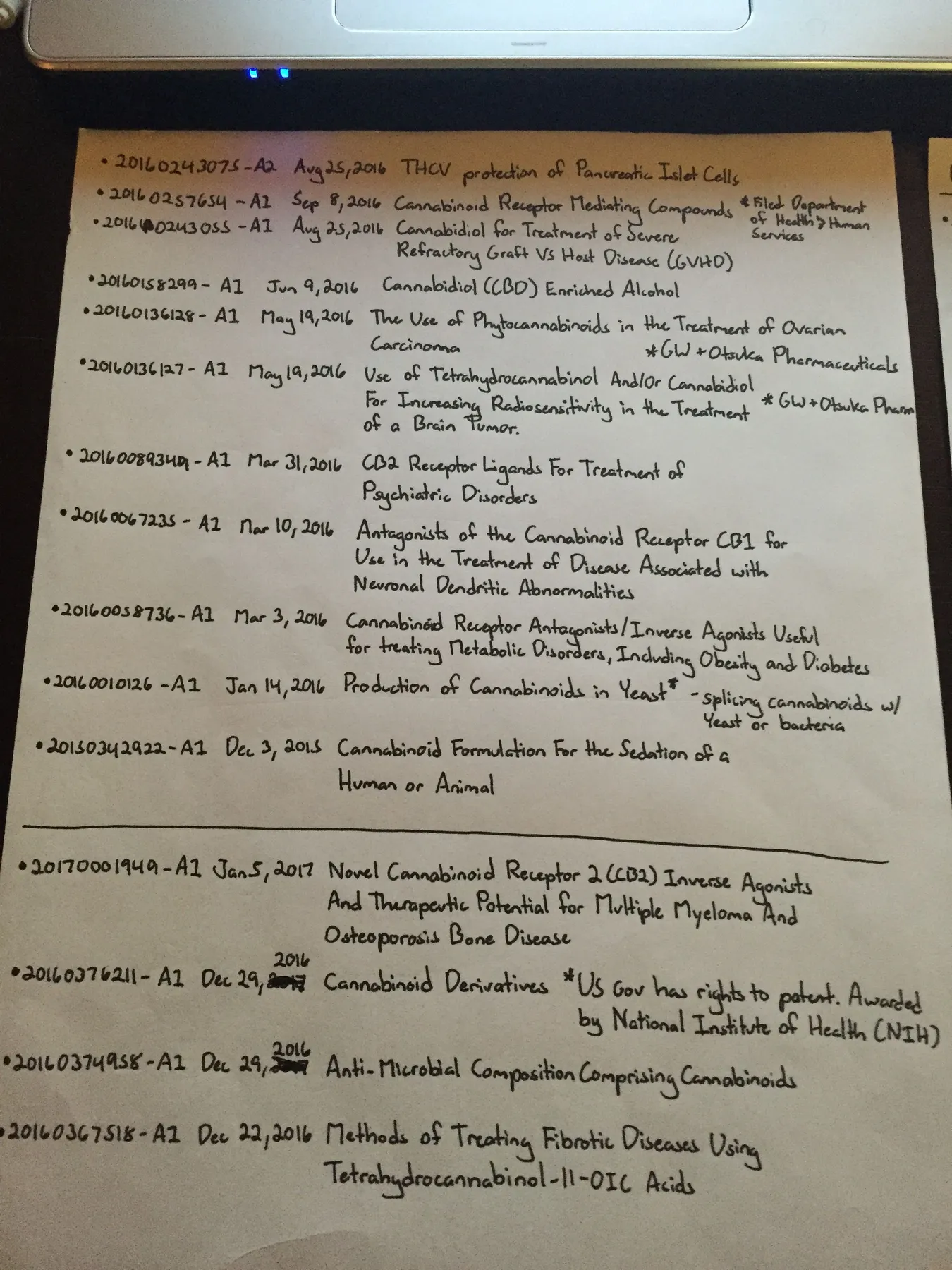
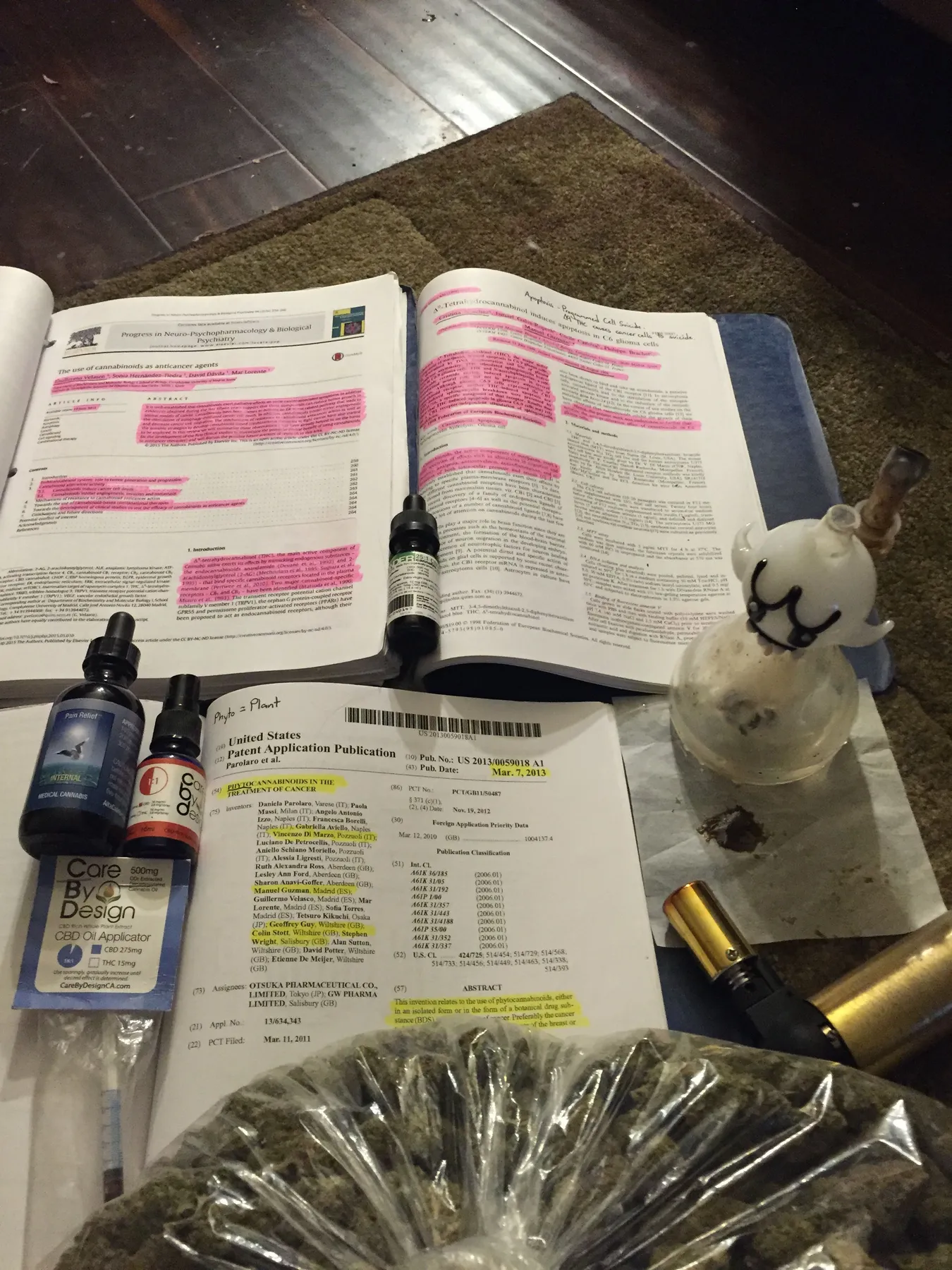
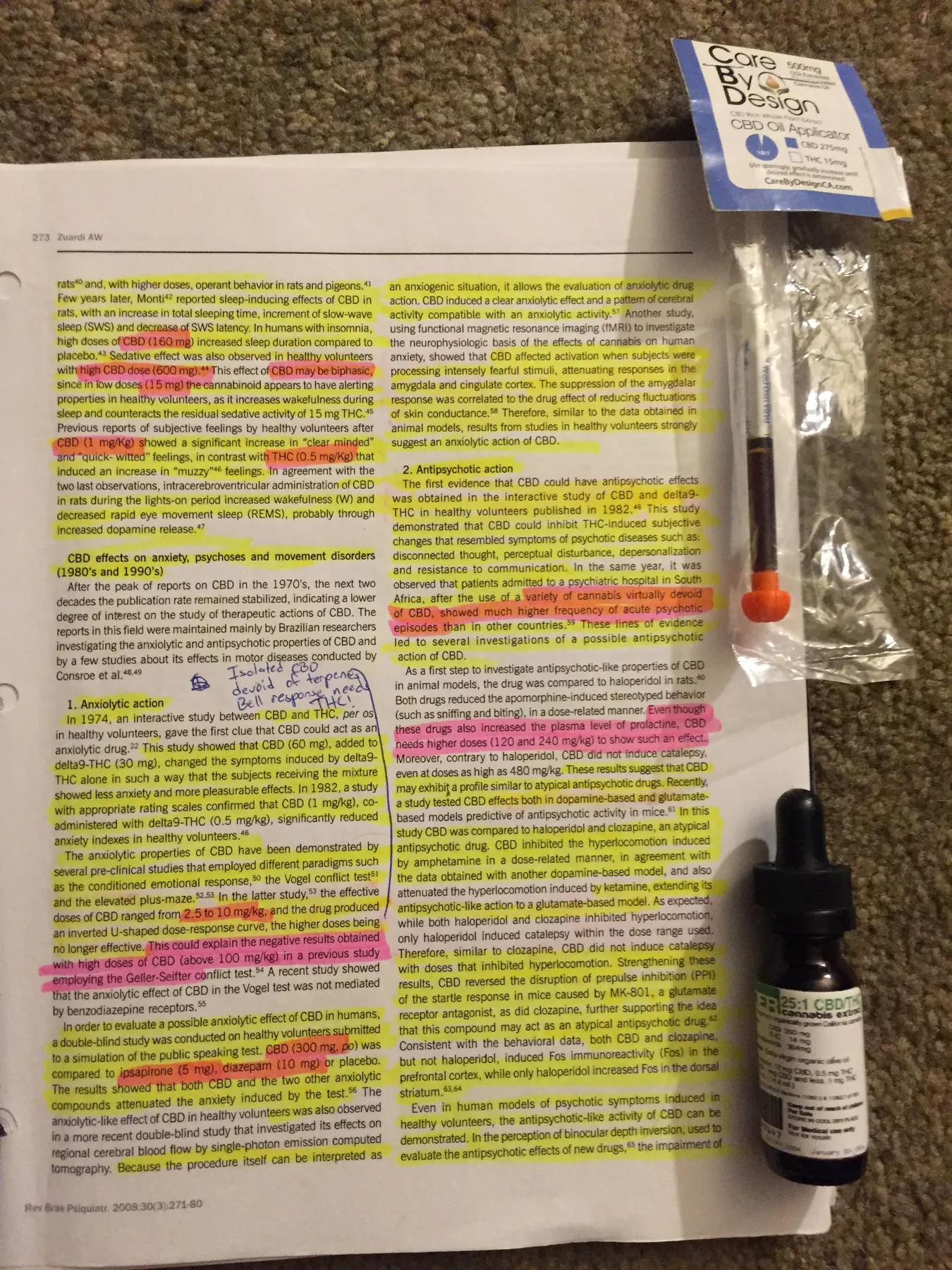
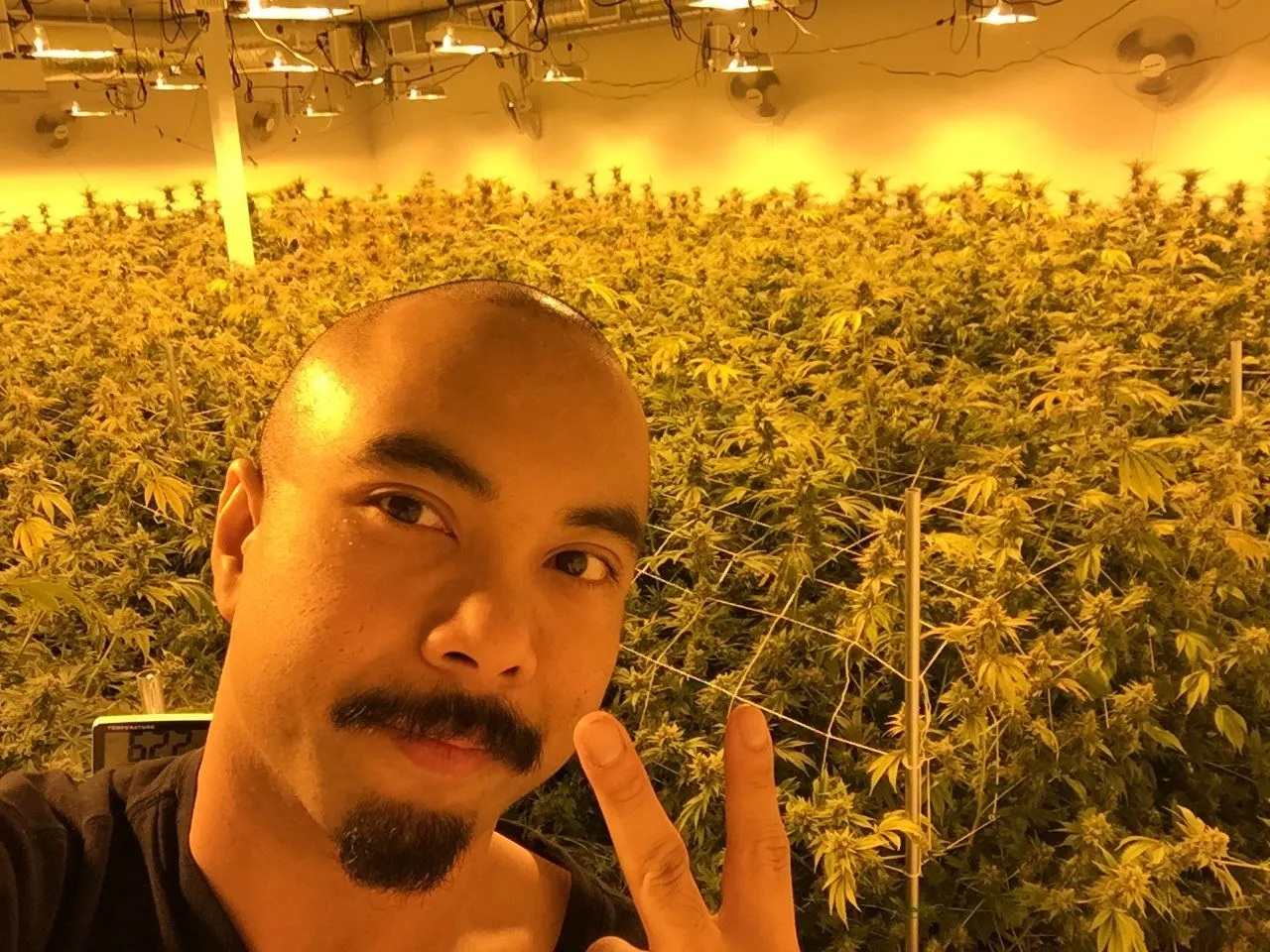
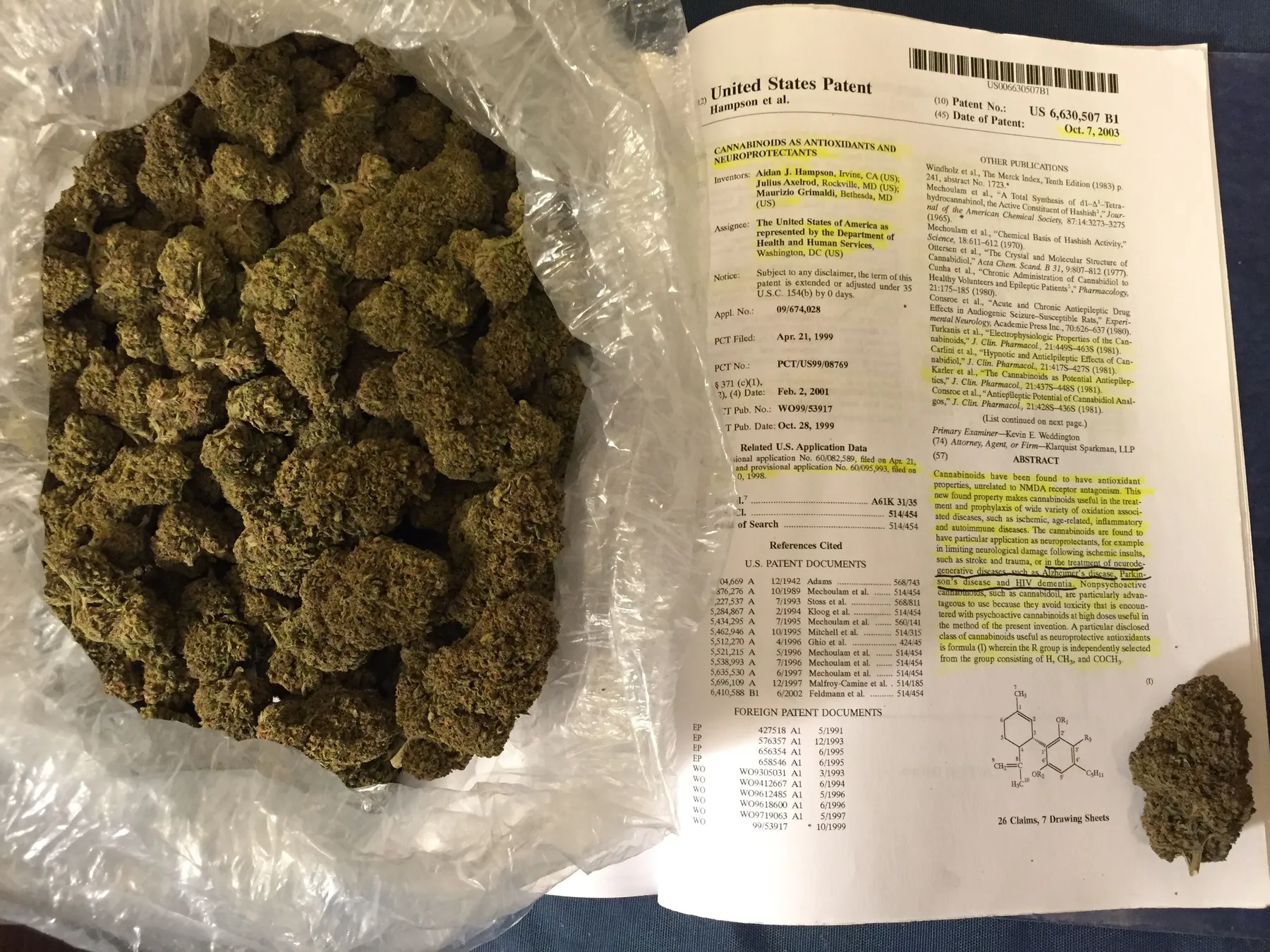
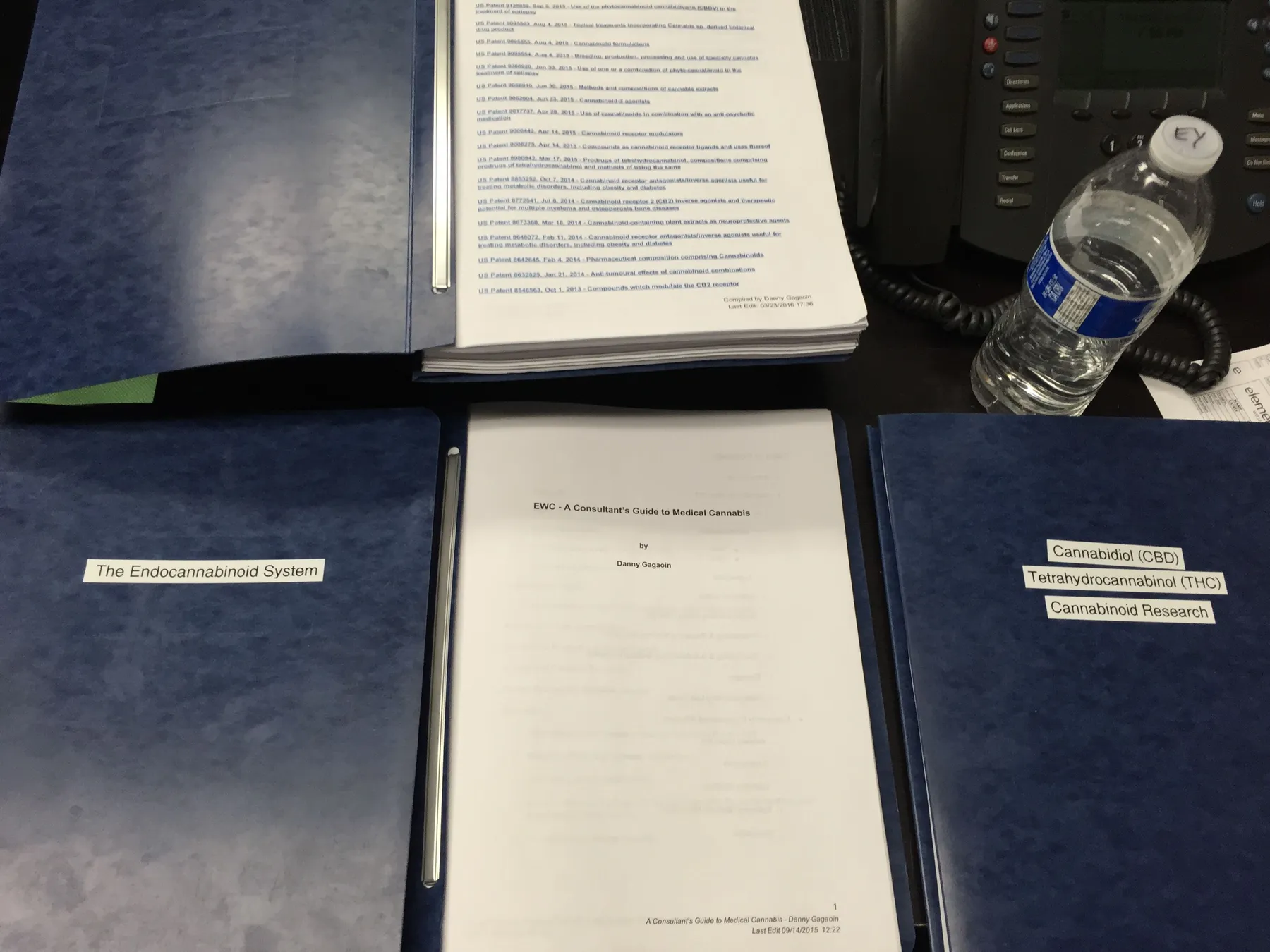
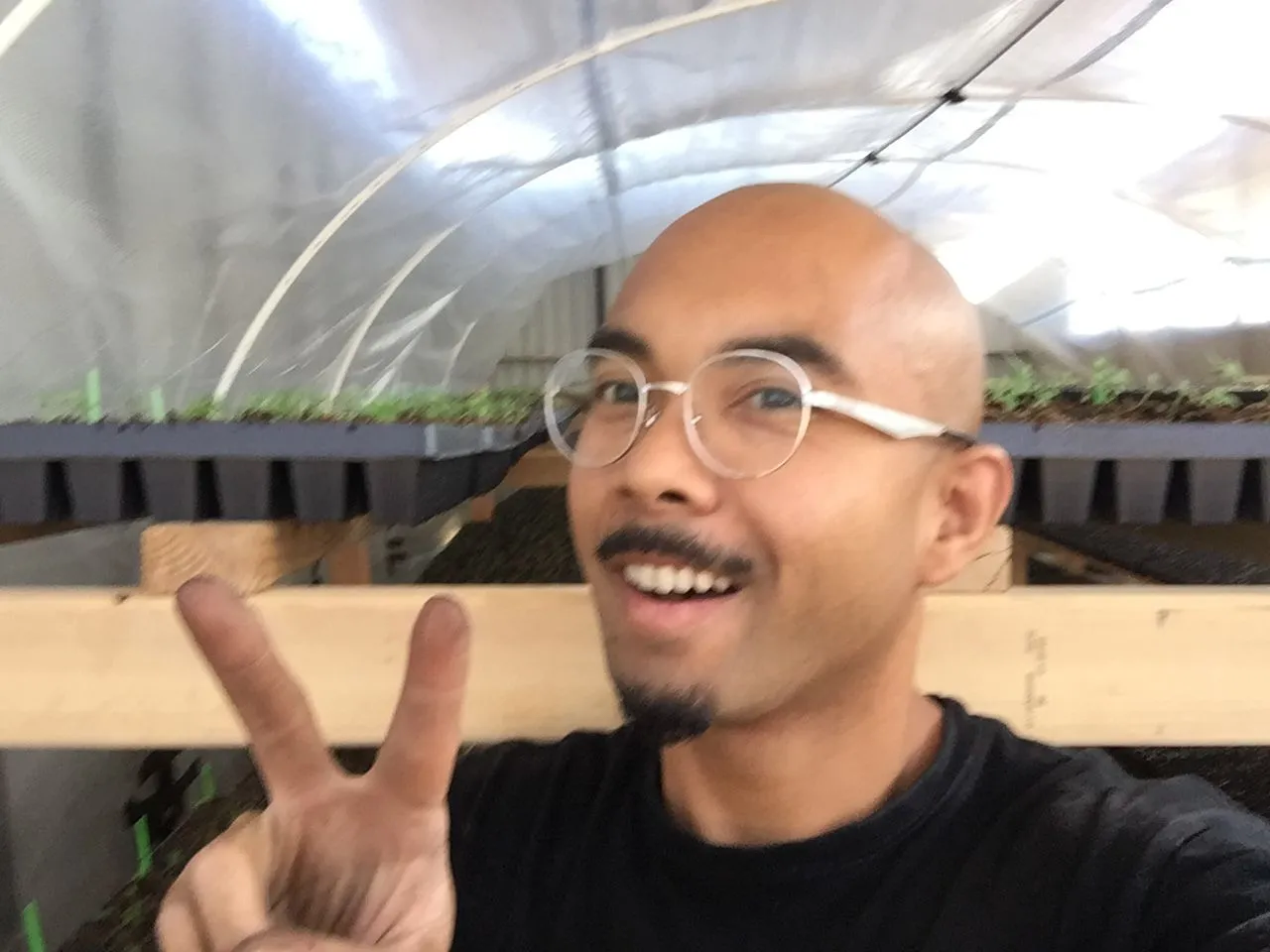
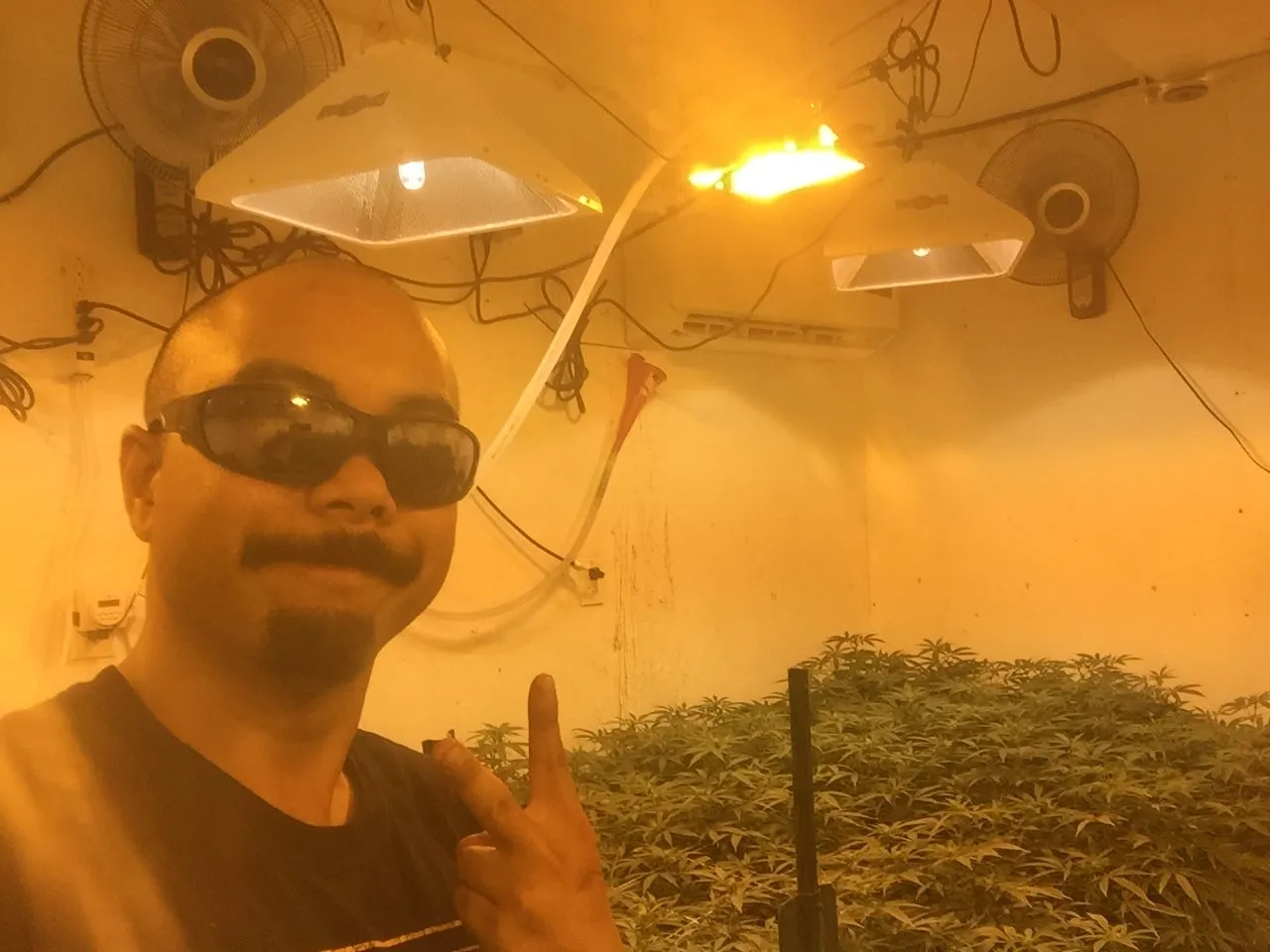
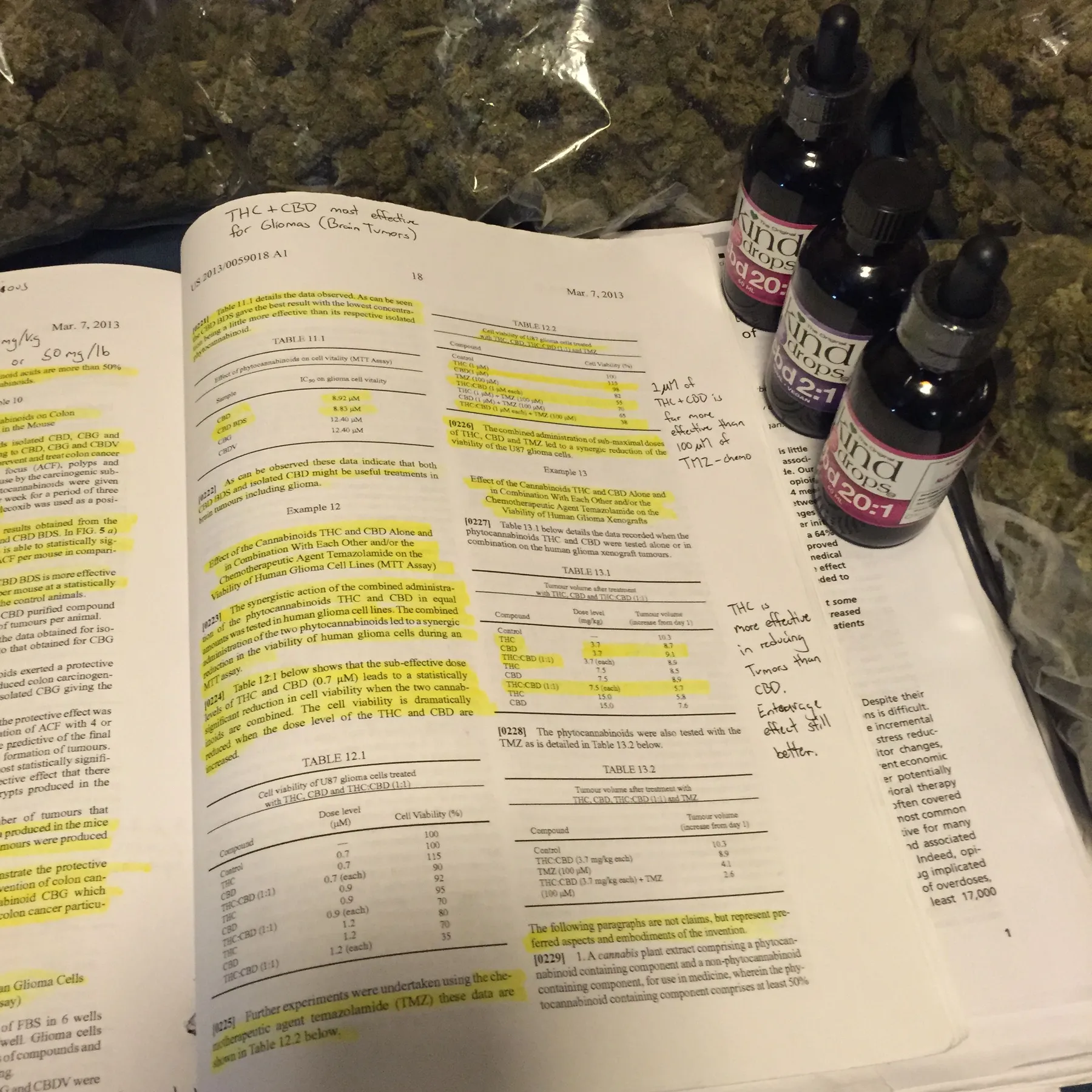
Danny Gagaoin: outdoor, full sunDanny Gagaoin: medical cannabis researchDanny Gagaoin: indoor flower, under hpsDanny Gagaoin: the research spreadDanny Gagaoin: high-tech greenhouseDanny Gagaoin: reading on cbdDanny Gagaoin: drying roomDanny Gagaoin: patent notes, by handDanny Gagaoin: indoor flower roomDanny Gagaoin: papers and tincturesDanny Gagaoin: outdoor, full sunDanny Gagaoin: highlighted papersDanny Gagaoin: commercial indoor flowerDanny Gagaoin: patentsDanny Gagaoin: hang-dryingDanny Gagaoin: research bindersDanny Gagaoin: hoop house, seedlingsDanny Gagaoin: annotated readingDanny Gagaoin: in the canopyDanny Gagaoin: reading, with samplesDanny Gagaoin: one heavy branchDanny Gagaoin: cannabinoid chemistryDanny Gagaoin: under hps, sunglasses onDanny Gagaoin: papers and tincturesIn the grow
Outdoor, full sun1 / 24

Grown, read and taught

I’ve worked in cannabis grows across California, on medical and recreational projects, indoors and out: high-tech greenhouses, hydroponic rooms, light-dep houses and living soil.

Alongside the growing I did medical research for a dispensary and a start-up non-profit, worked on a large hemp CBD project, and taught cultivation classes at a dispensary and a hydroponics store in San Jose.

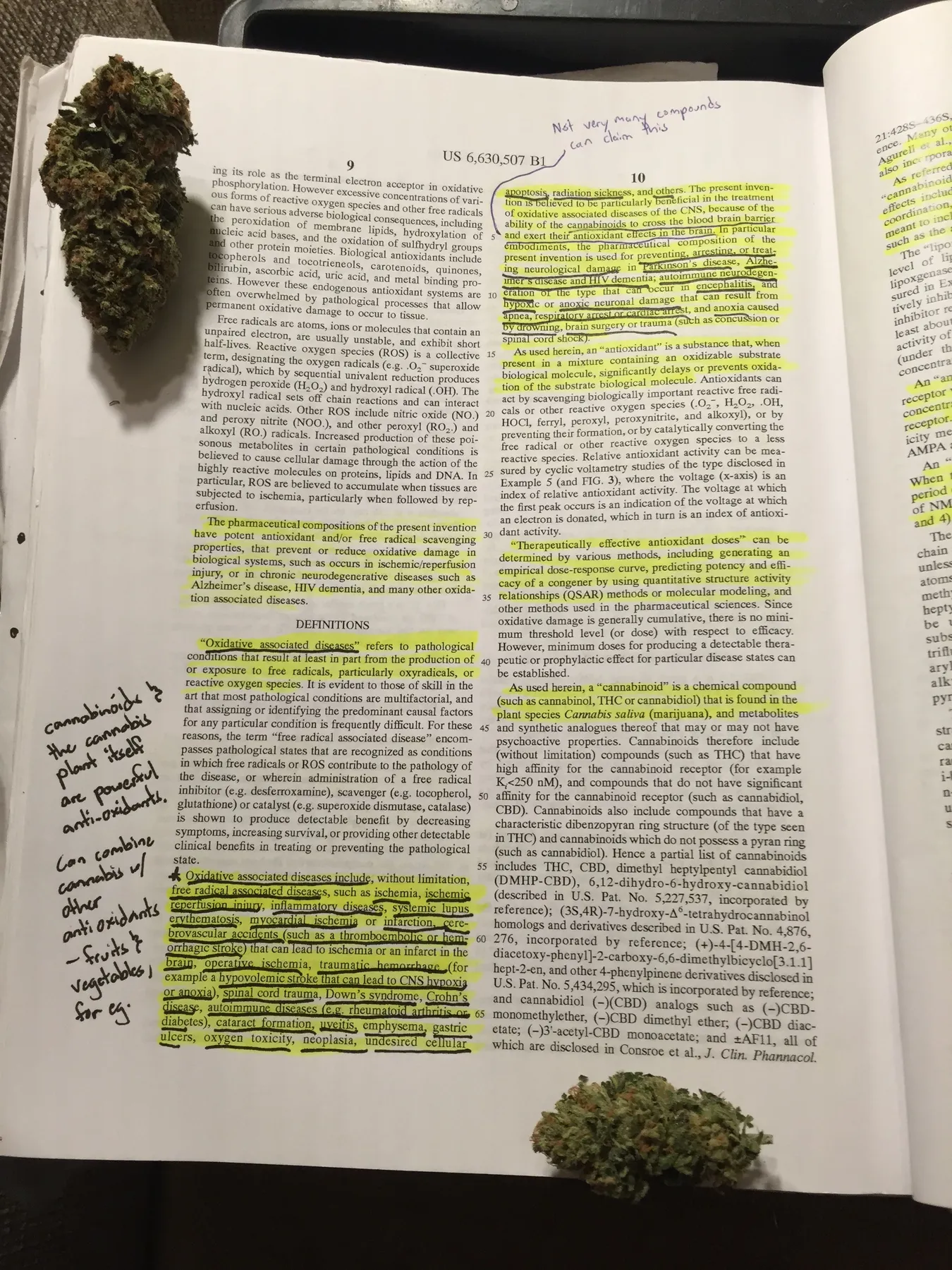
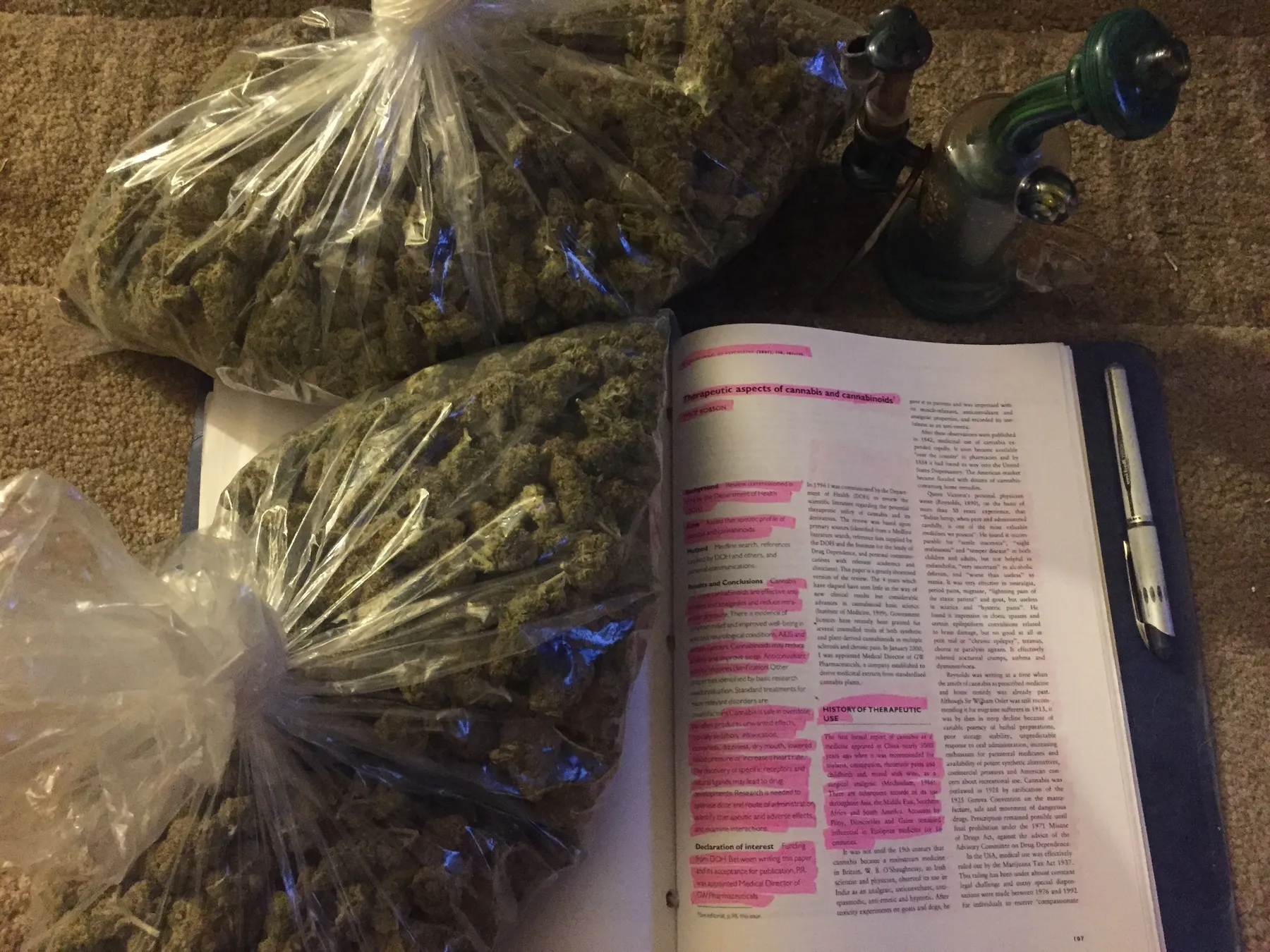
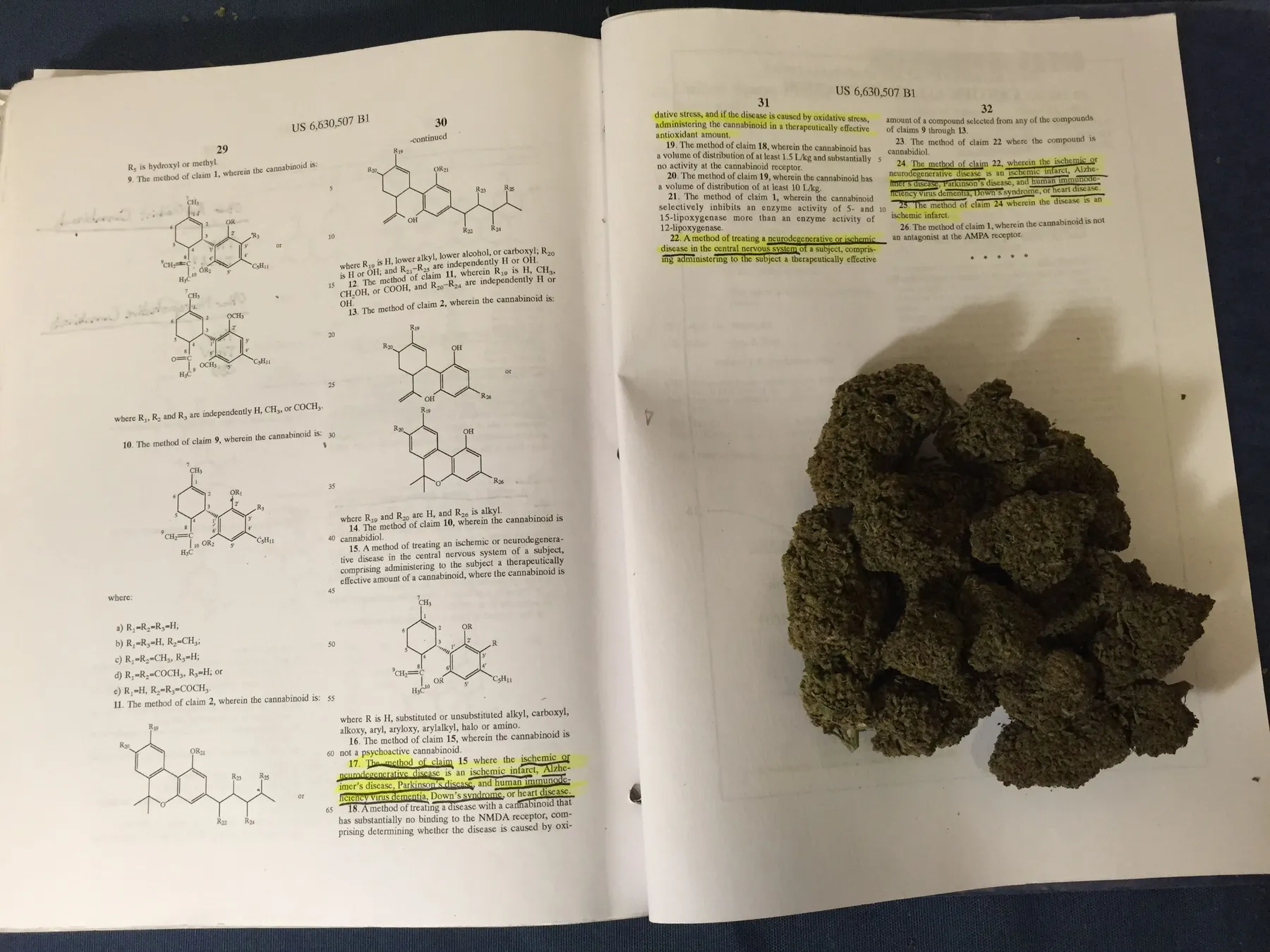
The photos are the part that shows. Most of the work never made it into a picture: the papers, the patents, the reading behind every class. Corpus Cannabis is where all of it goes now, checked in the open.

Today I build with AI tools and explore this fascinating and scary field. This site and all of the lab tools, including the simulator, were built by me using mostly Claude Code (Opus 5.5) and a little help from ChatGPT-6 Sol in Codex. It took me less than 12 days (the numbers are below); hopefully you can wrap your head around that, but more importantly, I hope you enjoy it.

Projects

  • Medical
  • Recreational
  • Hemp CBD
  • Medical research

Environments

  • Indoor
  • Outdoor
  • High-tech greenhouse
  • Light dep

Hydroponics

  • Rockwool flood and drain
  • Deep water culture
  • Coco coir

Soil and inputs

  • Living soil
  • Organic
  • Regenerative practices
  • KNF inputs

Teaching

  • Cultivation classes, San Jose
  • Medical use
  • For the new grower

How it was built

Every Claude Code session from the first plan (October 13, 2026) to the public launch (October 24).

The build

Days, first plan to public launchLess than 12
Claude Code sessions55
Background subagents used115
Prompts usedAbout 394
Days with activity12
Hours with Claude actively workingAbout 44–58
Commits to launch254

The hours count wall-clock time when at least one session was working, so sessions running side by side aren't double-counted. Stretches with no activity for 15 minutes or more are left out, which gives 44 hours; with a 30-minute cutoff it's 58. That's Claude's working time, not my hands-on time.

Tokens

ModelOutputCache writesCache readsFresh input
Opus 5.5 11,851 calls9.64M56.3M3.85B24K
Sonnet 5.5 1,927 calls, mostly subagents0.32M9.8M391M4K
Total9.96M66.1M4.24B28K

Tokens are the small chunks of text an AI model reads and writes, roughly three quarters of a word each. Almost all of these are cache reads: each turn re-reads the whole conversation from a cache, which is cheap per token.

What it would cost at API prices

1-hour cache writes what Claude Code uses5-minute cache writes
Opus 5.5~$1,412~$1,244
Sonnet 5.5~$121~$106
Total~$1,533~$1,350

At Anthropic's API prices per million tokens: Opus 5.5 $4 input, $20 output, $0.20 cache reads; Sonnet 5.5 $2 input, $10 output, $0.20 cache reads. Earlier research rounds (from August) and the work done in ChatGPT, Gemini and Codex aren't counted.

No, I didn't spend this. I spent $100: my $100/month Max plan subscription to Anthropic.

The same work before 2022

A rough estimate of what this site, the simulators, the Playground, the research and the writing would have taken without AI tools, at 2021 US rates. The scope is measured from the site itself; the rates and productivity figures are typical industry numbers, not quotes.

What was built
Lines of code written by Claude Opus 5.5About 92,000 lines
3D scene modules46
Automated tests402
Pages229
Research notes and draftsAbout 1 million words
Published research documentsAbout 513,000 words
Cited data strains, history events, Legal Map places, molecules458 · 220 · 295 · 54
Before 2022TeamPerson-years
Engineering web, 3D simulators, tests3–4 developers7–14
Design and 3D art1–21–2
Research rounds and science writing23.5–6.5
Editing, project management, testing11–2
Total6–8 people12–25
TimeAbout 1½–3 years
CostAbout $1.5–4.5 million

Assumptions: 30–60 finished lines of code per developer per working day (design, debugging and review included), 2–4 months of a researcher's time per literature-review round, 220 working days a year, and $120,000–$180,000 per person-year (salary plus overhead).

With AI: the research rounds began in late August 2026, and the site took less than 12 days.

A small sample of my work

Tap one to see it large.

Spotted something off, or have a question?Leave feedback

This goes privately to the site's author. It isn't posted on the site. Corrections that hold up are added to the page, with thanks.

What kind of feedback?

Please don't include private medical details. This isn't a way to get medical advice.