Cultivation · In plain English
Organic, regenerative, sustainable
Three words on every grow-shop bag and grocery label, used as if they mean the same thing. They don’t. Here is what each one actually means, what the evidence says each one delivers, and what carries over to growing cannabis.
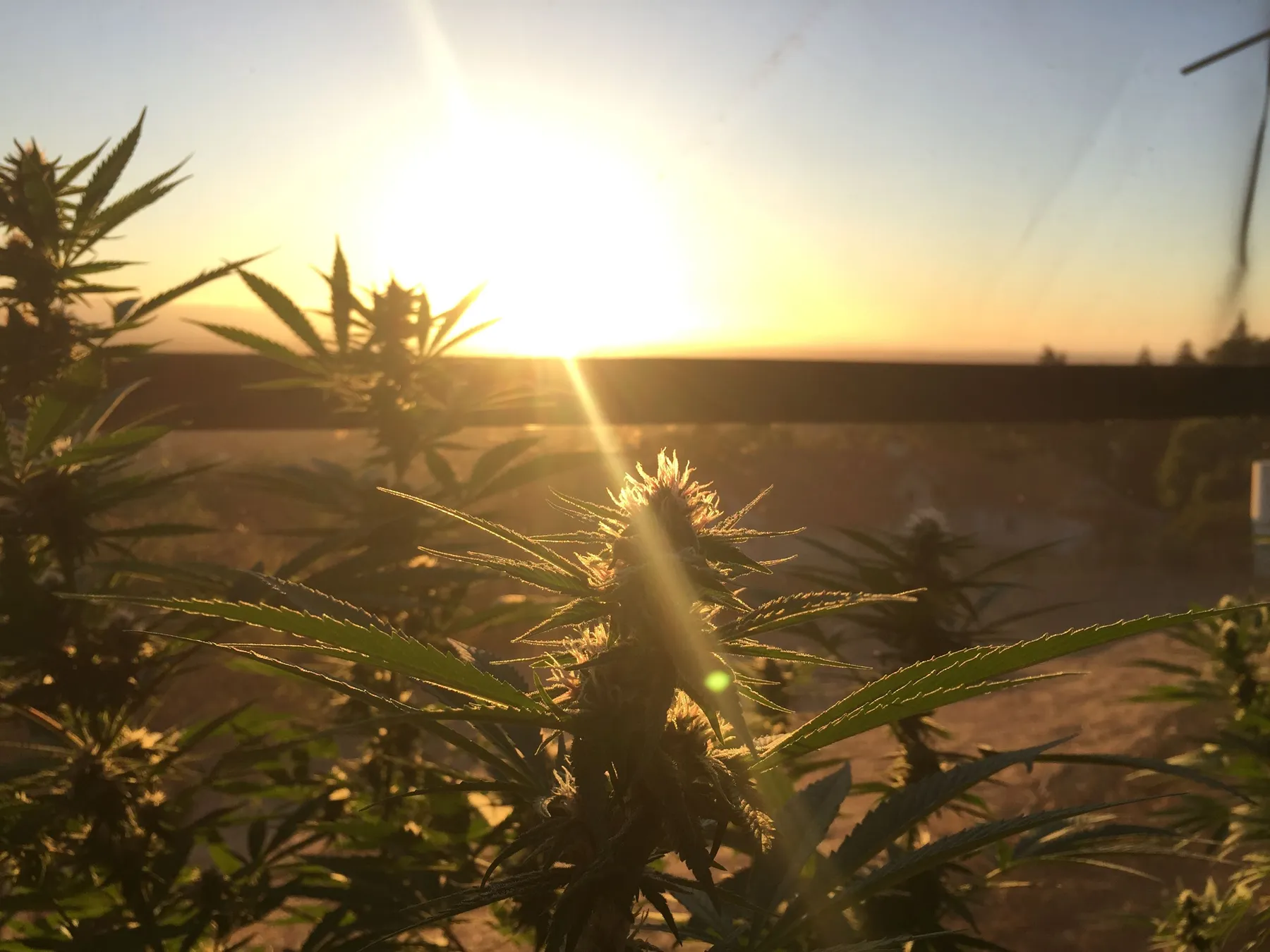
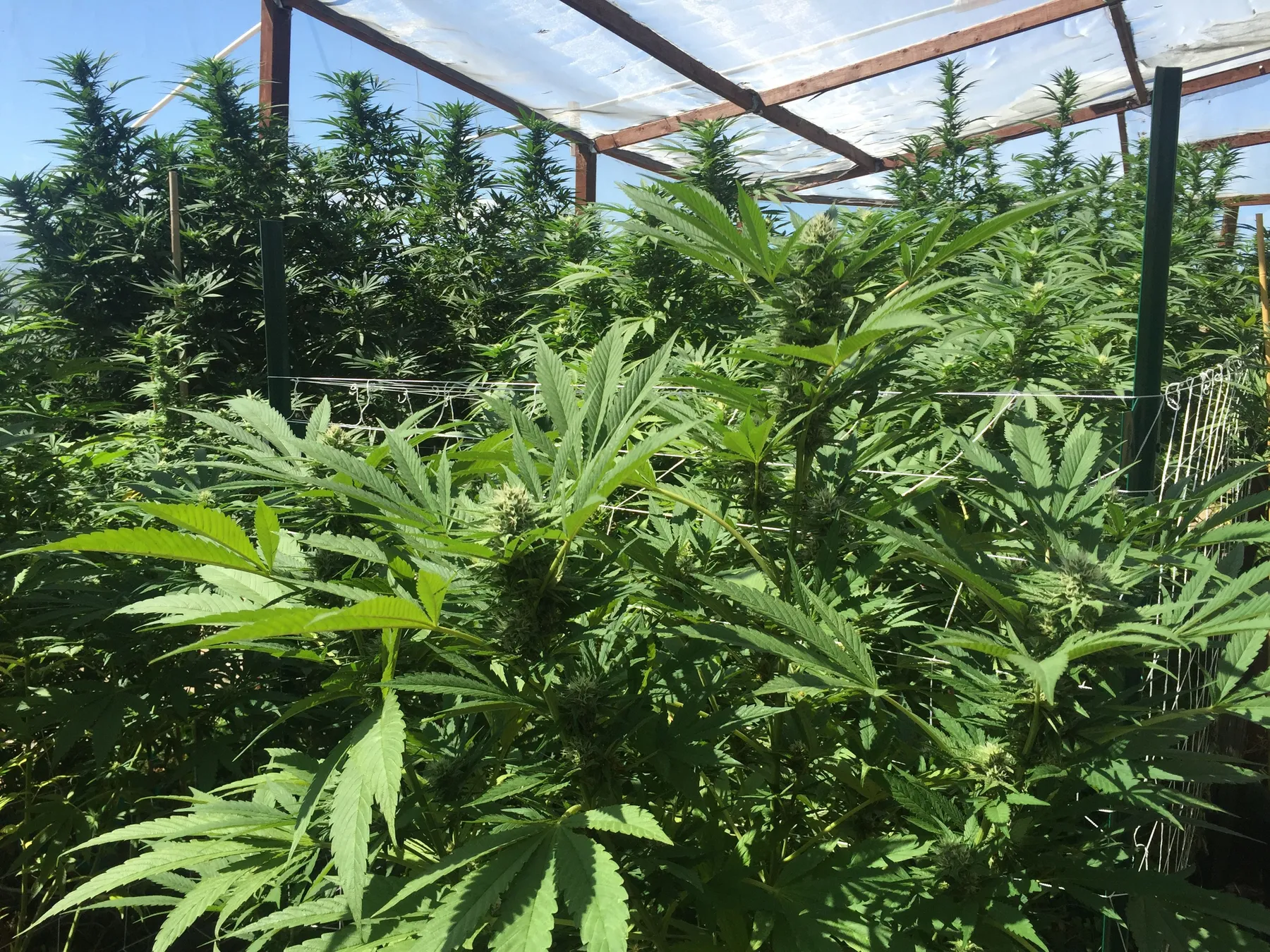
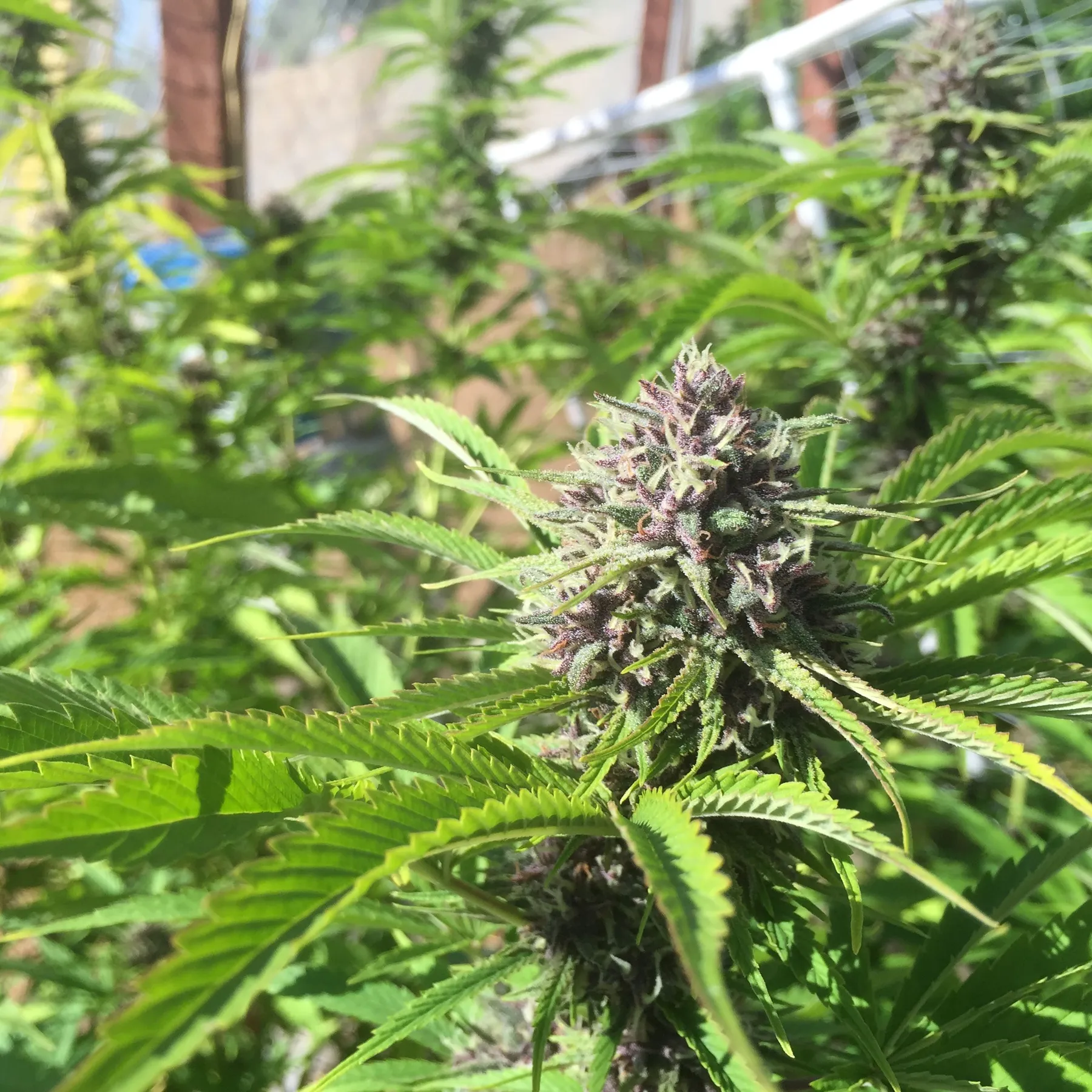
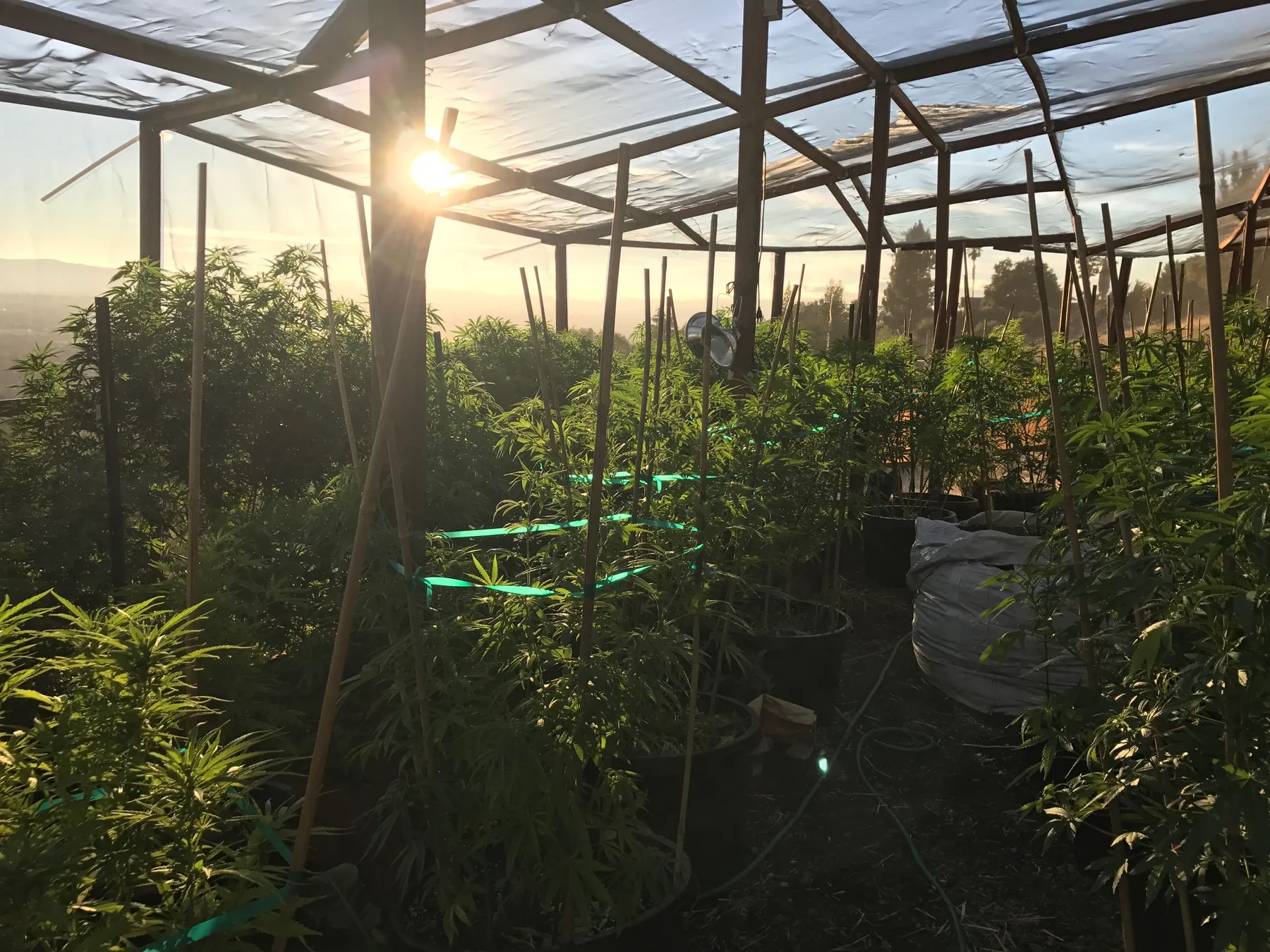
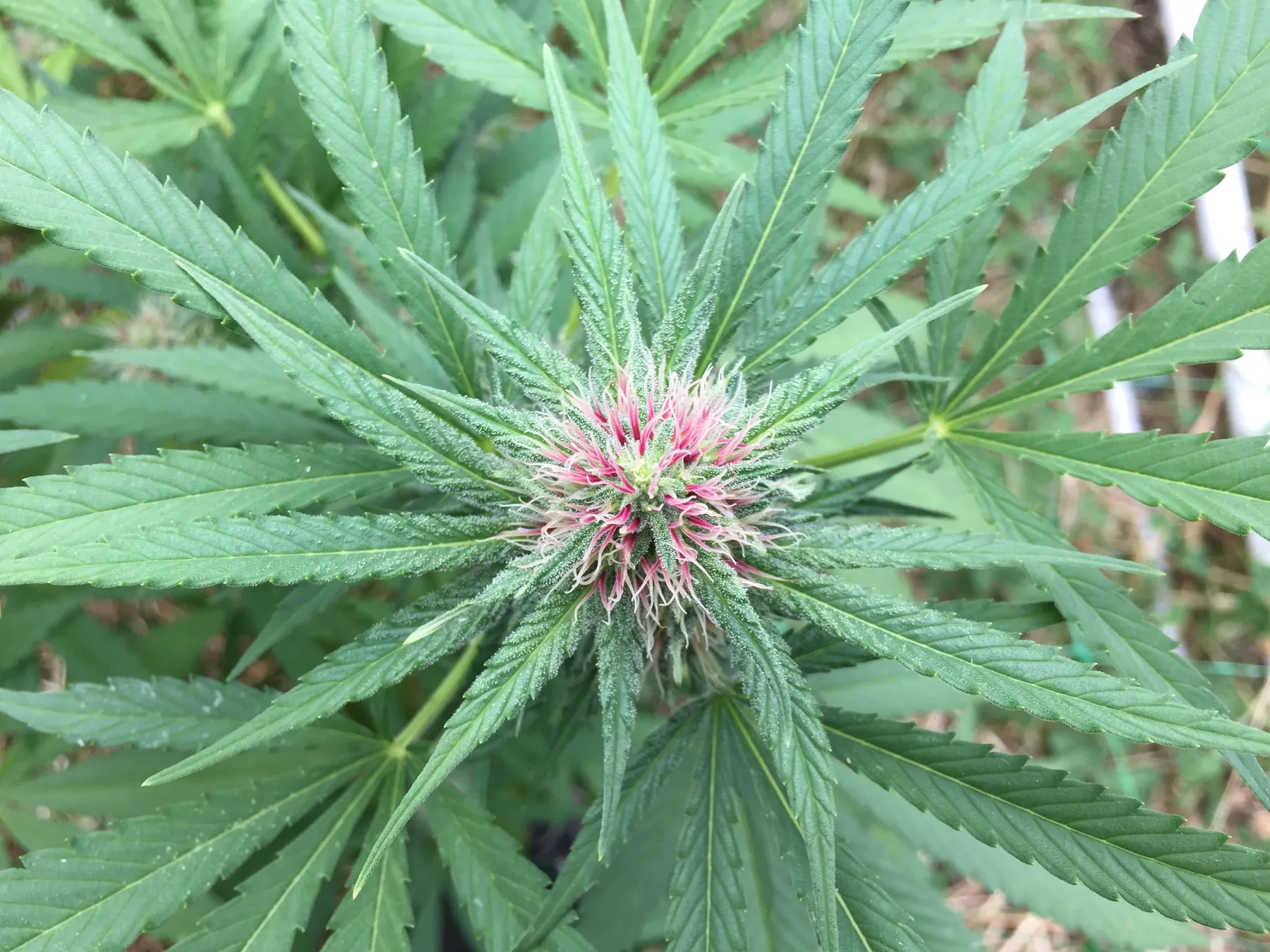
 Grown and picture taken by Danny Gagaoin
Three words, three different things
Most arguments about “the best way to farm” fall apart once you separate these three words. They are not rival teams. They answer different questions: which rules did you follow, which practices did you use, and does it hold up over time.C001 "Organic," "regenerative," and "sustainable" are three different things. Organic is a legal label with audited rules. Regenerative is a movement term with no agreed definition — two "regenerative" farms might share almost no practices. Sustainable isn't a farming method at all; it's a three-part test (environment, economics, and people) that any farm can pass or fail. Most internet arguments dissolve once you stop treating these as one thing. What was actually studied "Organic," "regenerative," and "sustainable" are not synonyms: organic is a legally regulated certification standard; regenerative is a contested umbrella of practices and outcomes with no universal definition; sustainability is a three-pillar (environmental/economic/social) evaluative framework.The exact graded claim
Organic
A legal standardC001 "Organic," "regenerative," and "sustainable" are three different things. Organic is a legal label with audited rules. Regenerative is a movement term with no agreed definition — two "regenerative" farms might share almost no practices. Sustainable isn't a farming method at all; it's a three-part test (environment, economics, and people) that any farm can pass or fail. Most internet arguments dissolve once you stop treating these as one thing. What was actually studied "Organic," "regenerative," and "sustainable" are not synonyms: organic is a legally regulated certification standard; regenerative is a contested umbrella of practices and outcomes with no universal definition; sustainability is a three-pillar (environmental/economic/social) evaluative framework. "Organic means no pesticides" is false. Organic bans most synthetic pesticides but permits an approved list — copper compounds, sulfur, Bt, spinosad, and more. That's not a gotcha in either direction: the permitted list is real, and so is the massive restriction. What was actually studied Organic standards prohibit most synthetic pesticides and fertilizers but permit specified inputs (e.g., copper compounds, sulfur, Bt, spinosad); "organic means pesticide-free" is false as stated.The exact graded claim
The exact graded claim
- Who decides
- Government rules (USDA in the US, EU law in Europe), checked by certifiers on a yearly audit.
- What it means
- No synthetic fertilizers or most synthetic pesticides, no GMOs, plus required rotations and soil building.
- What it isn’t
- Pesticide-free. A list of natural pesticides is allowed, copper and sulfur among them.
Regenerative
A movement word with no fixed definitionC001 "Organic," "regenerative," and "sustainable" are three different things. Organic is a legal label with audited rules. Regenerative is a movement term with no agreed definition — two "regenerative" farms might share almost no practices. Sustainable isn't a farming method at all; it's a three-part test (environment, economics, and people) that any farm can pass or fail. Most internet arguments dissolve once you stop treating these as one thing. What was actually studied "Organic," "regenerative," and "sustainable" are not synonyms: organic is a legally regulated certification standard; regenerative is a contested umbrella of practices and outcomes with no universal definition; sustainability is a three-pillar (environmental/economic/social) evaluative framework. "Regenerative agriculture" can't be studied as one thing. Because the term has no fixed definition, a study of "regenerative farms" tells you almost nothing by itself. The honest move — which this whole project adopts — is crediting specific practices (cover crops, compost, reduced tillage) under specific conditions. Some "regenerative" certifications require organic as a baseline; some corporate "regenerative" programs allow synthetic fertilizer and glyphosate. Same word, incompatible systems. What was actually studied "Regenerative agriculture" is not a reproducible experimental treatment; evidence must be attributed to specified practices (cover crops, reduced tillage, amendments, rotations, livestock integration) under specified conditions, not to the label.The exact graded claim
The exact graded claim
- Who decides
- Nobody, overall. Each label or company program writes its own rules.
- What it means
- A family of practices: cover crops, compost, living roots, less tilling, rotations, grazing animals.
- What it isn’t
- One thing. One certification requires organic as its floor; some corporate programs allow synthetic fertilizer and glyphosate.
Sustainable
A report card, not a methodC001 "Organic," "regenerative," and "sustainable" are three different things. Organic is a legal label with audited rules. Regenerative is a movement term with no agreed definition — two "regenerative" farms might share almost no practices. Sustainable isn't a farming method at all; it's a three-part test (environment, economics, and people) that any farm can pass or fail. Most internet arguments dissolve once you stop treating these as one thing. What was actually studied "Organic," "regenerative," and "sustainable" are not synonyms: organic is a legally regulated certification standard; regenerative is a contested umbrella of practices and outcomes with no universal definition; sustainability is a three-pillar (environmental/economic/social) evaluative framework.The exact graded claim
- Who decides
- Whoever is grading, against three subjects: environment, money and people.
- What it means
- A farm can keep going: the land, the business and the workers all hold up over time.
- What it isn’t
- A farming style. Any farm, organic or not, can pass or fail it.
Organic is also smaller than it feels: about 2% of the world’s farmland is certified organic, and much of that is Australian grazing land. In the US it is under 1%.C004 Organic is still tiny: about 2% of the world's farmland. Roughly 96–99 million hectares (the number moves with each yearly report), and nearly half of it is extensive Australian grazing land. The EU is around 11%; the US under 1%. What was actually studied Certified organic farmland is roughly 2% of global agricultural land (≈96–99 M ha depending on data year), heavily skewed by extensive Australian rangeland; EU ~11%, US <1% of farmland. Nobody knows how much land is farmed "regeneratively." No shared definition means no countable acres. Every confident "X million regenerative acres" figure you've seen is marketing, not measurement. (Same pattern as cannabis production shares in our R05 report — the missing number IS the finding.) What was actually studied No defensible global estimate of land under "regenerative" management exists; definitions, self-identification, and corporate program counts cannot be aggregated into a common denominator.The exact graded claim
The exact graded claim
Organic: more life, less food
After decades of field trials and the big reviews that pool them, two findings stand firm, and they pull in opposite directions.
More life. Organic fields hold about 30% more species on average: plants, pollinators, birds.C014 Organic farms host about 30% more species. Plants, pollinators, birds — richer life per field, especially in intensively farmed regions. One of organic's clearest wins (measured per area, mostly in Europe/North America). What was actually studied Organic farms support roughly 30% higher species richness per unit area on average, with effects varying by taxon, crop, and landscape, and larger in intensively farmed landscapes; evidence is Europe/North-America-biased and mainly per-area. Organic soil is more alive — because it gets fed. Microbial biomass and enzyme activity run roughly 32–84% higher across indicators. Here's the crucial part: the analysis shows it's the carbon inputs — compost, manure, cover crops — doing it, not the certificate on the wall. Feed any soil that way and the biology responds. What was actually studied Organic management increases soil microbial biomass and enzymatic activity (indicator gains spanning roughly 32–84% across measures), with high heterogeneity; meta-regression attributes the effect primarily to carbon-input quantity (compost/manure/cover crops), not to certification itself. Organic-style soil grows richer fungal partnerships. Mycorrhizal fungi — the root-extending symbionts — form richer communities when soils aren't flooded with soluble phosphorus. (The heavy fertilizer literally tells the plant it doesn't need its fungal partners.) What was actually studied Organic and low-soluble-phosphorus management supports richer and more abundant arbuscular mycorrhizal fungal (AMF) communities in agricultural soils than intensive conventional management.The exact graded claim
The exact graded claim
The exact graded claim
Less food. Organic yields average about 19–25% lower.C006 Organic farms grow less food: about 19–25% less on average. Three independent mega-studies agree. This is the most solid comparative fact in the whole field — and, notably, the thing organic advocacy (including our own old teaching materials) never mentions. What was actually studied Organic crop yields average roughly 19–25% lower than conventional across global meta-analyses, with wide heterogeneity by crop, site, nutrient regime, and management. Good management shrinks the gap to ~8–9%. Farms using diverse rotations and multi-cropping close most — not all — of the distance. Skill and design matter more than the label. What was actually studied Diversification substantially narrows the organic yield gap: multi-cropping and extended rotations reduce it to roughly 8–9% in meta-analysis. The gap depends on the crop. Beans and orchards: small gap. Wheat and potatoes: big gap. The reasons are specific: organic nitrogen releases on the soil's schedule, not the plant's; weeds are the #1 yield killer without herbicides; organic phosphorus dissolves slowly. What was actually studied The yield gap follows a crop-type gradient: smallest for legumes and some perennials/fruits, largest for cereals and roots/tubers; driven by nitrogen-timing asynchrony, weed pressure, and P availability.The exact graded claim
The exact graded claim
The exact graded claim
A Swiss trial that ran for 21 years shows the trade in one line: organic plots grew about 20% less, using a third to half less fertilizer and energy and 97% less pesticide.C009 The famous Swiss trial: 20% less crop on half the inputs. Twenty-one years of side-by-side farming: organic yielded 20% less while using 34–53% less fertilizer and energy and 97% less pesticide. Less output, way more efficiency per unit grown. What was actually studied The 21-year Swiss DOK trial found organic yields ~20% lower while fertilizer and energy inputs were 34–53% lower and pesticide inputs ~97% lower — markedly higher input-use efficiency per unit yield. But in drought years, organic soil can win. In the Rodale long-term trial, organic corn beat conventional by ~31% in drought years — spongier, higher-organic-matter soil holds more water. It's real, and it's conditional: depends on the crop, the soil, and the drought. What was actually studied In specific long-term trials, organic systems outperformed conventional in drought years (Rodale FST: organic corn ~31% higher in drought years), via higher soil organic matter and water-holding capacity; drought resilience is conditional, not universal. Organic yields are a bit less predictable year to year. About 15% lower stability relative to yield level. Not dramatic, but real — driven by weather-dependent biology and pest surprises. What was actually studied Organic yield stability relative to yield level is ~15% lower than conventional on average; absolute temporal stability does not differ significantly.The exact graded claim
The exact graded claim
The exact graded claim
The question behind every argument: per what?
Measure per acre and organic usually looks better: less nitrogen escaping, less energy, more wildlife. Measureper pound of food and the picture flips, because everything is divided by a smaller harvest.C018 The measuring stick decides the winner (again). Per acre, organic usually looks better. Per pound of food, its advantages shrink, vanish, or flip — because it grows less per acre. Neither framing is "the truth"; they answer different questions. Anyone quoting an organic-vs-conventional stat without a denominator is selling something. (Exact same lesson as our cannabis yield findings.) What was actually studied Environmental comparisons between organic and conventional systems can change, shrink, disappear, or reverse depending on the functional unit (per hectare vs. per unit output); both framings must be reported. Per pound of food: organic uses less energy, more land, pollutes waterways more, and ties on climate. That's the uncomfortable per-output scorecard from hundreds of life-cycle studies. Per acre, the picture reverses on most counts. What was actually studied Per unit of food produced, organic systems on average use less energy, require more land, cause more eutrophication, and have similar greenhouse-gas emissions, with strong commodity-level variation; per unit area, organic generally shows lower impacts.The exact graded claim
The exact graded claim
| Measure | Per acre | Per pound of food |
|---|---|---|
| Energy use | Lower | Lower |
| Nitrogen lost to water and air | Lower | Same or higher |
| Land needed | n/a | Higher |
| Water pollution from nutrients | Generally lower | Higher |
| Greenhouse gases | Generally lower | About the same |
Neither measure is “the real one.” Per acre answers local questions: this creek, these birds. Per pound answers global ones: feeding people, total land. Advocates on both sides pick whichever flatters them. So whenever you see a farming claim, ask two things: per what? and compared with what? Even “conventional” isn’t one thing; comparing against a best-practice farm or a poorly run one changes the answer.C032 "Compared to what?" changes everything. "Conventional" spans everything from precision-managed best practice (gap widens to 25–35%) to neglected fields (gap shrinks or reverses). No comparison means anything until you know the comparator. What was actually studied "Conventional" is not a single intervention: comparisons against best-practice, regional-average, or weak controls yield different gaps; comparator identity must be stated for any organic-vs-conventional figure.The exact graded claim
The same goes for “can organic feed the world?” In the best global model, an all-organic planet that eats and wastes like we do now needs 16–33% more farmland. The same planet, with food waste and animal feed cut by about half, feeds nine billion people on the land already farmed.C012 "Can organic feed the world?" — wrong question. The honest answer has conditions. Modeling says: 100% organic with today's diets and food waste = 16–33% more farmland needed (deforestation disaster). 100% organic with half the food waste and half the land feeding animals = nine billion people fed on today's land. Both bumper stickers are conditionals pretending to be facts. What was actually studied Modeled 100% global organic conversion requires ~16–33% more cropland under current diets and waste, but can feed 9+ billion without net land expansion if paired with ~50% reductions in food waste and food-competing animal feed. Lower yields have a hidden climate cost: land. High-yield farming spares land that can stay forest — and forests store carbon. Any system that needs more acres pays that "carbon opportunity cost." What was actually studied Because higher-yielding systems spare land whose native vegetation stores carbon, yield gaps carry a carbon opportunity cost that can offset or reverse per-hectare environmental advantages.The exact graded claim
The exact graded claim
Regenerative: judge the practices, not the label
Because “regenerative” has no fixed rules, science can’t test it as one thing. What it can test is the practices underneath it, one at a time, under stated conditions.C003 "Regenerative agriculture" can't be studied as one thing. Because the term has no fixed definition, a study of "regenerative farms" tells you almost nothing by itself. The honest move — which this whole project adopts — is crediting specific practices (cover crops, compost, reduced tillage) under specific conditions. Some "regenerative" certifications require organic as a baseline; some corporate "regenerative" programs allow synthetic fertilizer and glyphosate. Same word, incompatible systems. What was actually studied "Regenerative agriculture" is not a reproducible experimental treatment; evidence must be attributed to specified practices (cover crops, reduced tillage, amendments, rotations, livestock integration) under specified conditions, not to the label.The exact graded claim
- Feed the soil carbon. Compost, manure and cover crops drive the gains in soil life. A large review traced those gains to how much carbon goes in, not to whether the farm is certified.C015
R01-C015Solid: many good studies agree Organic soil is more alive — because it gets fed.
Microbial biomass and enzyme activity run roughly 32–84% higher across indicators. Here's the crucial part: the analysis shows it's the carbon inputs — compost, manure, cover crops — doing it, not the certificate on the wall. Feed any soil that way and the biology responds.
What was actually studied
- Lori et al. 2017Pooled soil-microbe studies; the gains tracked how much carbon went into the soil, not the label.
- Confidence in this grade
- high
- The two AI researchers
- Both found this independently
Open R01-C015 in the full R01 claim ledgerThe exact graded claim
Organic management increases soil microbial biomass and enzymatic activity (indicator gains spanning roughly 32–84% across measures), with high heterogeneity; meta-regression attributes the effect primarily to carbon-input quantity (compost/manure/cover crops), not to certification itself.
- Keep living roots in the ground. Cover crops raise how fast water soaks in by about 35%; perennial plants by about 59%.C035
R01-C035Probably true: real evidence, not yet settled Want water to soak in? Keep living roots in the ground.
Meta-analysis: cover crops raise infiltration ~35%, perennials ~59% — while no-till by itself does nothing for it. The surprise finding: it's the living cover, not the not-plowing, that makes soil drink. (This is the mechanism behind the drought wins in C011.)
What was actually studied
- Confidence in this grade
- medium
- The two AI researchers
- gemini-claim, editor-verified via replacement source (Basche & DeLonge, PLOS ONE 2019 — Gemini's follow-up mis-cited it as a 2017 Agric. Ecosyst. Environ. paper)
Open R01-C035 in the full R01 claim ledgerThe exact graded claim
Continuous living cover substantially increases soil water infiltration in meta-analysis (cover crops ≈ +35%, perennials ≈ +59% mean response), while no-till alone shows no overall infiltration effect.
- No-till alone isn’t enough. Not plowing, by itself, showed no overall effect on water soaking in. It is the living roots doing the work.C035
R01-C035Probably true: real evidence, not yet settled Want water to soak in? Keep living roots in the ground.
Meta-analysis: cover crops raise infiltration ~35%, perennials ~59% — while no-till by itself does nothing for it. The surprise finding: it's the living cover, not the not-plowing, that makes soil drink. (This is the mechanism behind the drought wins in C011.)
What was actually studied
- Confidence in this grade
- medium
- The two AI researchers
- gemini-claim, editor-verified via replacement source (Basche & DeLonge, PLOS ONE 2019 — Gemini's follow-up mis-cited it as a 2017 Agric. Ecosyst. Environ. paper)
Open R01-C035 in the full R01 claim ledgerThe exact graded claim
Continuous living cover substantially increases soil water infiltration in meta-analysis (cover crops ≈ +35%, perennials ≈ +59% mean response), while no-till alone shows no overall infiltration effect.
- Tillage is a real trade-off. Organic farms without herbicides often weed by tilling, which disturbs soil fungi and carbon. Conventional no-till protects the soil surface but leans on herbicide. Neither side owns “better for soil”; it depends on the field.C023
R01-C023Disputed: credible science points both ways Organic tills; no-till sprays. Neither owns "better for soil."
Organic weed control means tillage (bad for fungi and carbon); conventional no-till means herbicide (its own costs) — and no-till's carbon "win" partly lives only in the top 2 inches. The ranking genuinely depends on context. The most interesting frontier is organic no-till — exactly where our living-soil report (R08) goes next.
What was actually studied
- Tuomisto et al. 2012Pooled European studies of environmental impact, measured both per acre and per unit of food.
- Mäder et al. 2002 (DOK lineage)
- Confidence in this grade
- high
- The two AI researchers
- Both found this independently
Open R01-C023 in the full R01 claim ledgerThe exact graded claim
Organic weed control's reliance on tillage creates a genuine soil-health trade-off against the no-till ideal; but "conventional no-till is better for soil than organic" is not a general law — outcomes depend on erosion context, cover, rotations, herbicide regime, and carbon measurement depth.
The soil-carbon claim
You may have heard that regenerative farming can pull enough carbon into soil to “reverse climate change.” That is unsupported. Organic and regenerative-style soils often hold more carbon near the surface, but scientists still dispute why: much of it can arrive by truck as manure, which moves carbon rather than removing it from the air.C016 "Organic builds more soil carbon" is genuinely disputed. Topsoil carbon does average higher on organic farms — but critics showed much of that may be carbon trucked in as manure, plus measurement artifacts (shallow sampling, density errors). The scientists are still fighting; we record the fight instead of picking a side. What was actually studied Organically managed soils show higher topsoil carbon stocks on average, but the finding is disputed: imported manure/compost carbon, bulk-density errors, shallow sampling, and weak baselines can account for much or all of the difference. Soil carbon can't reverse climate change. It's also not nothing. Soils fill up (20–30 years to saturation), can dump their carbon back with one deep plowing, and at global best offset maybe 4–10% of emissions. That's a real tool and a wildly oversold one, depending who's talking. What was actually studied Agricultural soil-carbon sequestration is finite (saturating over ~20–30 years), reversible (a single deep tillage event can re-release much of the gain), and bounded at roughly 4–10% of annual anthropogenic emissions in credible global estimates; "regenerative agriculture can reverse climate change" is unsupported, and "soil carbon is irrelevant" is also unsupported.The exact graded claim
The exact graded claim
Sustainable: the report card has three subjects
Environment
Covered above. Strong per acre, mixed per pound.C018 The measuring stick decides the winner (again). Per acre, organic usually looks better. Per pound of food, its advantages shrink, vanish, or flip — because it grows less per acre. Neither framing is "the truth"; they answer different questions. Anyone quoting an organic-vs-conventional stat without a denominator is selling something. (Exact same lesson as our cannabis yield findings.) What was actually studied Environmental comparisons between organic and conventional systems can change, shrink, disappear, or reverse depending on the functional unit (per hectare vs. per unit output); both framings must be reported. Per pound of food: organic uses less energy, more land, pollutes waterways more, and ties on climate. That's the uncomfortable per-output scorecard from hundreds of life-cycle studies. Per acre, the picture reverses on most counts. What was actually studied Per unit of food produced, organic systems on average use less energy, require more land, cause more eutrophication, and have similar greenhouse-gas emissions, with strong commodity-level variation; per unit area, organic generally shows lower impacts.The exact graded claim
The exact graded claim
Money
Organic farms average 22–35% higher profit, as long as buyers keep paying the organic premium (about 29–32%; breaking even needs only 5–7%). Labor costs run 7–13% higher.C026 Organic farming is more profitable — because shoppers pay extra. 22–35% more profitable on average, but only because premiums (29–32%) far exceed the ~5–7% needed to break even. The agronomy doesn't earn the profit; the price tag does. Costs are similar overall, with 7–13% more labor. What was actually studied With observed price premiums (29–32% received vs. ~5–7% break-even), organic farming averages 22–35% higher profitability than conventional; total costs are similar but labor runs 7–13% higher. The 3-year transition is the valley of death. New organic farmers eat the yield drop and learning curve for ~36 months before they're allowed to charge organic prices. What was actually studied The certification transition period (~36 months) is the principal structural economic barrier: growers absorb yield and learning costs before receiving organic premiums. Certification paperwork and fees squeeze out small farmers. The audit-and-documentation machine favors big operations; the little diversified farms the movement celebrates are the ones most likely priced out of the label. What was actually studied Certification costs, documentation burden, land access, and audit capacity disproportionately exclude small-scale and resource-limited farmers from organic premiums; group certification and cost-share programs partially mitigate.The exact graded claim
The exact graded claim
The exact graded claim
People
Organic certification checks inputs, not wages or working conditions. Research on farmworkers is thin compared with the mountain of soil studies.C028 An organic label says nothing about how workers were treated. Certification audits inputs, not wages or conditions. And the research on farm labor is startlingly thin next to the mountain of soil studies — "sustainability" has three pillars and science mostly built one and a half. What was actually studied Organic certification does not by itself deliver social sustainability: it regulates inputs and labeling, not wages, working conditions, or labor rights; the labor literature is thin and fragmented relative to biophysical research. "Organic farmworkers face way less pesticide exposure" — probably directionally true, never properly measured. The logic is sound (you can't be poisoned handling organophosphates you're not allowed to use), but the famous supporting study turned out to be about grocery shoppers, not farmworkers — our verification process caught it. Until someone runs the real study, the percentage stays honestly unknown. What was actually studied Reduced synthetic-pesticide use plausibly lowers some occupational exposure pathways for farmworkers, but a quantified occupational-exposure reduction for organic systems is currently unsourced in this corpus; organic work adds its own burdens (more manual labor, heat/ergonomic hazards unchanged).The exact graded claim
The exact graded claim
What the labels don’t tell you
- Copper. An organic-approved fungicide that never breaks down. Over years it builds up in soil to levels that harm earthworms and soil microbes.C021
R01-C021Solid: many good studies agree Organic's own skeleton in the closet: copper.
Copper fungicides are organic-approved, and copper never breaks down — it accumulates in soil to levels that poison earthworms and suppress microbes. An honest organic movement owns this one. (And for a smokable crop like cannabis, it matters double — flagged for our fertility and IPM reports.)
What was actually studied
- Confidence in this grade
- high
- The two AI researchers
- Both found this independently
Open R01-C021 in the full R01 claim ledgerThe exact graded claim
Long-term use of permitted copper fungicides accumulates persistent copper in soils to levels toxic to earthworms and soil microbial activity; an organic-approved input with a documented environmental cost.
- Borrowed fertility. Many organic farms aren’t closed loops. Much of their nitrogen is manure from conventional livestock, and heavy manure use can overload soil with phosphorus.C022
R01-C022Probably true: real evidence, not yet settled Most organic farms aren't closed loops.
A lot of organic fertility arrives by truck — often as manure from conventional livestock. And repeated manure use overloads phosphorus. "Self-sustaining farm" is a direction to travel, not a description of the industry.
What was actually studied
- Confidence in this grade
- high
- The two AI researchers
- Both found this independently
Open R01-C022 in the full R01 claim ledgerThe exact graded claim
Organic systems are frequently not closed nutrient loops: many depend on manure from conventional livestock, imported fertility, and mined minerals; repeated manure use can create phosphorus surpluses because N:P ratios mismatch crop demand.
- The food is different, not proven healthier. Organic crops carry 18–69% more antioxidant compounds, about half the cadmium and pesticide residues about four times less often.C024
R01-C024Solid: many good studies agree Organic crops really do carry more antioxidants — and the reason is beautiful.
+18–69% more phenolic/antioxidant compounds, ~48% less cadmium, ~4× fewer pesticide-residue detections. Why? Plants that aren't spoon-fed nitrogen and aren't fully shielded from pests invest in their own chemical defenses — and those defense compounds are the flavors and antioxidants. "Slightly stressed plants make more interesting chemistry." (Sound familiar? It's the same mechanism behind our cannabis terpene findings.)
What was actually studied
- Confidence in this grade
- high
- The two AI researchers
- Both found this independently
Open R01-C024 in the full R01 claim ledgerThe exact graded claim
Organically grown crops average higher antioxidant/(poly)phenolic concentrations (+18–69% across compound groups), ~48% lower cadmium, and roughly 4× lower frequency of detectable pesticide residues.
R01-C025Unknown: nobody has good data yet Does that make organic food healthier? Nobody has shown it.
Macronutrients and vitamins: essentially identical. Long-term health outcomes: never properly tested. More antioxidants in the crop ≠ proven benefit in the body. Both facts are true at once.
What was actually studied
- Confidence in this grade
- high
- The two AI researchers
- Both found this independently
Open R01-C025 in the full R01 claim ledgerThe exact graded claim
Evidence does not establish clinically meaningful health superiority of organic food: macronutrient, vitamin, and mineral differences are negligible, and long-term health-outcome trials are lacking.
R01-C031Probably true: real evidence, not yet settled Eating organic does lower the pesticides in your body.
People who habitually buy organic show substantially lower organophosphate metabolites in their urine. That's the thing the famous study actually proved.
What was actually studied
- Confidence in this grade
- medium
- The two AI researchers
- editor addition (salvaging the misattributed source for what it actually demonstrates)
Open R01-C031 in the full R01 claim ledgerThe exact graded claim
Consumers who habitually choose organic food show substantially lower dietary organophosphate pesticide exposure (urinary metabolites) than those eating conventional diets.
Why would organic crops carry more of those compounds? Plants that aren’t fed easy nitrogen and aren’t fully shielded from pests spend more on their own chemical defenses, and those defenses are the antioxidants and much of the flavor.C024 Organic crops really do carry more antioxidants — and the reason is beautiful. +18–69% more phenolic/antioxidant compounds, ~48% less cadmium, ~4× fewer pesticide-residue detections. Why? Plants that aren't spoon-fed nitrogen and aren't fully shielded from pests invest in their own chemical defenses — and those defense compounds are the flavors and antioxidants. "Slightly stressed plants make more interesting chemistry." (Sound familiar? It's the same mechanism behind our cannabis terpene findings.) What was actually studied Organically grown crops average higher antioxidant/(poly)phenolic concentrations (+18–69% across compound groups), ~48% lower cadmium, and roughly 4× lower frequency of detectable pesticide residues.The exact graded claim
What this means for growing cannabis
R01 is about farming in general: grains, vegetables, fruit. Hardly any of these studies looked at cannabis, so read the links below as leads, not proof.
The finding that matters most for growers: the benefits follow the practices, not the certificate.C033 THE BIG ONE: it's the practices, not the label. The soil-life gains track how much carbon you feed the soil — compost, cover, living roots — regardless of certification. Which means the good stuff travels: into conventional farms, into backyards, into fabric pots in a grow tent. You don't need the paperwork or the tribe to use the biology. This single finding is the scientific foundation for everything this project builds next. What was actually studied Benefits observed in organic/regenerative systems attribute to specific practices (carbon inputs, cover, diversity, reduced disturbance) that can also operate inside conventional systems; the label is not the mechanism.The exact graded claim
Two cannabis studies point the same way. In one study of outdoor cannabis, bagged potting soil made up as much as about 75% of the crop’s climate footprint, so where your soil comes from matters as much as how you grow in it.R05-C012 The bags of soil might be the dirtiest part of an outdoor grow. In the one outdoor life-cycle study with field data, potting media — the bagged soil mix — accounted for up to 75% of the operation's climate impact. If you buy new soil every season, that's your footprint. (This is exactly why soil reuse and living-soil methods matter — coming in later reports.) What was actually studied In an outdoor cannabis LCA, potting media accounted for up to ~75% of global warming potential and nearly half of fossil-fuel depletion; nitrogen-heavy fertilization reduced cannabinoid content. In the one head-to-head study, sun-grown flower was more chemically interesting. Same clones, grown both ways: the outdoor plants had more terpenes and more kinds of terpenes (the spicy/woody sesquiterpene family especially), plus rare cannabinoids the indoor plants didn't make. The indoor flower had more degraded, oxidized compounds. THC levels? Basically the same. Big caveat: it's ONE study, two strains, and the outdoor plants also got living soil — so we can't cleanly credit the sunshine. What was actually studied In the one matched-clone commercial comparison available, outdoor samples showed greater terpene abundance and diversity (notably sesquiterpenes: β-caryophyllene, α-humulene, α-bergamotene, α-guaiene, germacrene B), unique C4/C6 cannabinoid homologues, and fewer oxidized cannabinoids than indoor samples; primary cannabinoid levels were broadly comparable.The exact graded claim
The exact graded claim
Six things you’ll hear, checked
“Organic means pesticide-free.”
Not true as stated
Organic rules allow a list of approved pesticides.C002
R01-C002Solid: many good studies agree "Organic means no pesticides" is false.
Organic bans most synthetic pesticides but permits an approved list — copper compounds, sulfur, Bt, spinosad, and more. That's not a gotcha in either direction: the permitted list is real, and so is the massive restriction.
What was actually studied
- Confidence in this grade
- high
- The two AI researchers
- Both found this independently
Open R01-C002 in the full R01 claim ledgerThe exact graded claim
Organic standards prohibit most synthetic pesticides and fertilizers but permit specified inputs (e.g., copper compounds, sulfur, Bt, spinosad); "organic means pesticide-free" is false as stated.
“Regenerative is just organic without the paperwork.”
Unsupported
Some regenerative programs allow synthetic inputs that organic bans.C001
R01-C001Solid: many good studies agree "Organic," "regenerative," and "sustainable" are three different things.
Organic is a legal label with audited rules. Regenerative is a movement term with no agreed definition — two "regenerative" farms might share almost no practices. Sustainable isn't a farming method at all; it's a three-part test (environment, economics, and people) that any farm can pass or fail. Most internet arguments dissolve once you stop treating these as one thing.
What was actually studied
- Newton et al. 2020Reviewed how scientists and farmers define “regenerative”, and found no single definition.
- USDA NOP
- EU 2018/848
- FAO
- Confidence in this grade
- high
- The two AI researchers
- Both found this independently
Open R01-C001 in the full R01 claim ledgerThe exact graded claim
"Organic," "regenerative," and "sustainable" are not synonyms: organic is a legally regulated certification standard; regenerative is a contested umbrella of practices and outcomes with no universal definition; sustainability is a three-pillar (environmental/economic/social) evaluative framework.
R01-C003Solid: many good studies agree "Regenerative agriculture" can't be studied as one thing.
Because the term has no fixed definition, a study of "regenerative farms" tells you almost nothing by itself. The honest move — which this whole project adopts — is crediting specific practices (cover crops, compost, reduced tillage) under specific conditions. Some "regenerative" certifications require organic as a baseline; some corporate "regenerative" programs allow synthetic fertilizer and glyphosate. Same word, incompatible systems.
What was actually studied
- Newton et al. 2020Reviewed how scientists and farmers define “regenerative”, and found no single definition.
- Khangura et al. 2023
- Confidence in this grade
- high
- The two AI researchers
- Both found this independently
Open R01-C003 in the full R01 claim ledgerThe exact graded claim
"Regenerative agriculture" is not a reproducible experimental treatment; evidence must be attributed to specified practices (cover crops, reduced tillage, amendments, rotations, livestock integration) under specified conditions, not to the label.
“Regenerative farming can reverse climate change.”
Unsupported
Soil can offset roughly 4–10% of yearly emissions at best.C017
R01-C017Solid: many good studies agree Soil carbon can't reverse climate change. It's also not nothing.
Soils fill up (20–30 years to saturation), can dump their carbon back with one deep plowing, and at global best offset maybe 4–10% of emissions. That's a real tool and a wildly oversold one, depending who's talking.
What was actually studied
- Confidence in this grade
- high
- The two AI researchers
- Both found this independently
Open R01-C017 in the full R01 claim ledgerThe exact graded claim
Agricultural soil-carbon sequestration is finite (saturating over ~20–30 years), reversible (a single deep tillage event can re-release much of the gain), and bounded at roughly 4–10% of annual anthropogenic emissions in credible global estimates; "regenerative agriculture can reverse climate change" is unsupported, and "soil carbon is irrelevant" is also unsupported.
“Soil carbon doesn’t matter for the climate.”
Also unsupported
A few percent of global emissions is small, but it is not nothing.C017
R01-C017Solid: many good studies agree Soil carbon can't reverse climate change. It's also not nothing.
Soils fill up (20–30 years to saturation), can dump their carbon back with one deep plowing, and at global best offset maybe 4–10% of emissions. That's a real tool and a wildly oversold one, depending who's talking.
What was actually studied
- Confidence in this grade
- high
- The two AI researchers
- Both found this independently
Open R01-C017 in the full R01 claim ledgerThe exact graded claim
Agricultural soil-carbon sequestration is finite (saturating over ~20–30 years), reversible (a single deep tillage event can re-release much of the gain), and bounded at roughly 4–10% of annual anthropogenic emissions in credible global estimates; "regenerative agriculture can reverse climate change" is unsupported, and "soil carbon is irrelevant" is also unsupported.
“Organic can’t feed the world.”
Depends on us
It can in models, if food waste and animal feed are cut by about half.C012
R01-C012Probably true: real evidence, not yet settled "Can organic feed the world?" — wrong question. The honest answer has conditions.
Modeling says: 100% organic with today's diets and food waste = 16–33% more farmland needed (deforestation disaster). 100% organic with half the food waste and half the land feeding animals = nine billion people fed on today's land. Both bumper stickers are conditionals pretending to be facts.
What was actually studied
- Confidence in this grade
- high (as a model result)
- The two AI researchers
- Both found this independently
Open R01-C012 in the full R01 claim ledgerThe exact graded claim
Modeled 100% global organic conversion requires ~16–33% more cropland under current diets and waste, but can feed 9+ billion without net land expansion if paired with ~50% reductions in food waste and food-competing animal feed.
“Organic food is healthier for you.”
Not shown
The crops differ chemically; a health benefit has never been properly tested.C024
R01-C024Solid: many good studies agree Organic crops really do carry more antioxidants — and the reason is beautiful.
+18–69% more phenolic/antioxidant compounds, ~48% less cadmium, ~4× fewer pesticide-residue detections. Why? Plants that aren't spoon-fed nitrogen and aren't fully shielded from pests invest in their own chemical defenses — and those defense compounds are the flavors and antioxidants. "Slightly stressed plants make more interesting chemistry." (Sound familiar? It's the same mechanism behind our cannabis terpene findings.)
What was actually studied
- Confidence in this grade
- high
- The two AI researchers
- Both found this independently
Open R01-C024 in the full R01 claim ledgerThe exact graded claim
Organically grown crops average higher antioxidant/(poly)phenolic concentrations (+18–69% across compound groups), ~48% lower cadmium, and roughly 4× lower frequency of detectable pesticide residues.
R01-C025Unknown: nobody has good data yet Does that make organic food healthier? Nobody has shown it.
Macronutrients and vitamins: essentially identical. Long-term health outcomes: never properly tested. More antioxidants in the crop ≠ proven benefit in the body. Both facts are true at once.
What was actually studied
- Confidence in this grade
- high
- The two AI researchers
- Both found this independently
Open R01-C025 in the full R01 claim ledgerThe exact graded claim
Evidence does not establish clinically meaningful health superiority of organic food: macronutrient, vitamin, and mineral differences are negligible, and long-term health-outcome trials are lacking.
The receipts
Every tag in this article opens its evidence card. All 35 claims, with their sources, grades and where the two researchers agreed, are in the R01 claim ledger. The key studies:
- The yield gap
- Seufert et al. 2012, Nature · Ponisio et al. 2015 · de Ponti et al. 2012
- The 21-year Swiss trial
- Mäder et al. 2002, Science
- Drought years
- Lotter et al. 2003 · Knapp & van der Heijden 2018
- Feeding the world
- Muller et al. 2017, Nature Communications · Searchinger et al. 2018, Nature
- Wildlife, soil life and roots
- Tuck et al. 2014 · Lori et al. 2017 · Verbruggen et al. 2010 · Basche & DeLonge 2019
- The soil-carbon dispute and its limits
- Gattinger et al. 2012 · Leifeld & Fuhrer 2010 · Alvarez 2022 · Paustian et al. 2016 · Schlesinger 2022 · OECD 2022
- Per acre vs per pound
- Tuomisto et al. 2012 · Clark & Tilman 2017 · Hashemi et al. 2024
- The food itself
- Barański et al. 2014 · Smith-Spangler et al. 2012 · Curl et al. 2015
- Money, copper and imported fertility
- Crowder & Reganold 2015, PNAS · Mackie et al. 2012 · Nowak et al. 2013
- People and definitions
- Shreck et al. 2006 · Magnano et al. 2024 · Newton et al. 2020